Ants
in UK homes.
Ants are one of the more frequently reported pests in UK homes, particularly year-round. Most kitchen ants in the UK are black garden ants (Lasius niger) trailing in from a nest under a path or patio slab. Pharaoh ants are a separate, year-round indoor pest. Most cases are resolved within 7–14 days once a licensed operator is on site.
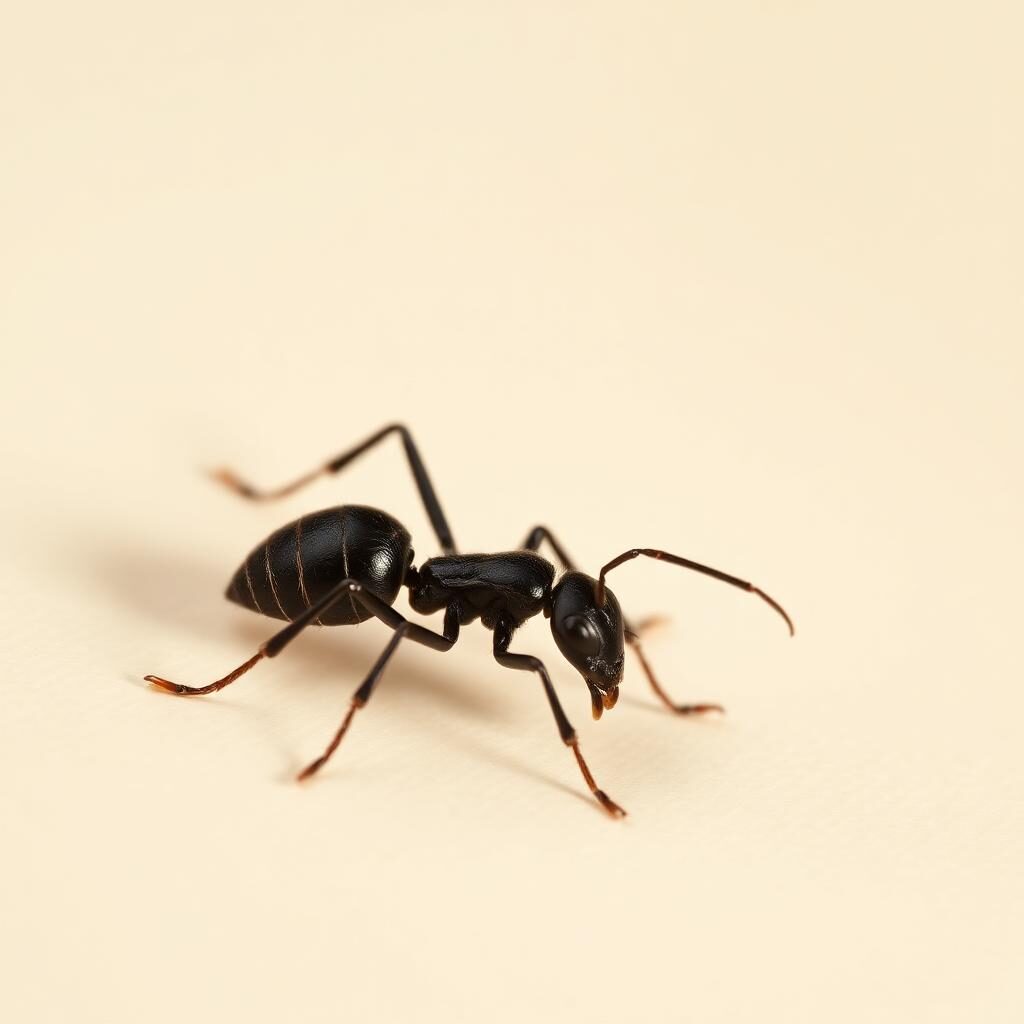
Is it actually
ants?
Misidentification is the single biggest reason ants treatments fail — the wrong species means the wrong product, and the problem comes back. Use the checks below before you call anyone, and photograph anything you're unsure about so the operator can confirm from your booking screen.
- 01Single-file foraging trails along skirting or worktop edges
- 02Small soil mounds appearing between paving slabs in spring
- 03Winged ants in late July (the annual nuptial flight)
- 04Pharaoh ants: tiny yellow ants in heated buildings year-round
Signs of ants.
Single-file workers 4–5mm following an invisible scent track. In late July, winged 'flying ants' on the same day across the UK during the annual nuptial flight.
Ants make no audible noise in a domestic setting.
Crushing a black garden ant releases a faint, sharp acidic smell — formic acid — which can help confirm the species against pharaoh ants (which are odourless).
Black garden ants don't damage the structure. Pharaoh ants, however, can carry pathogens between flats and are a regulated nuisance in hospitals and shared housing.
Why ants are here.
Ants are opportunists. Under patio slabs and path edges, in cavity walls accessed via airbricks, and along expansion joints in concrete floors. The trigger is almost always a combination of food access, warmth, and a quiet entry point — and seasonal pressure (April to September outdoors; pharaoh ants year-round indoors) tips the scales. Once a population establishes, it rarely retreats on its own; intervention shortens the cycle from months to days.
Most kitchen ants in the UK are black garden ants (Lasius niger) trailing in from a nest under a path or patio slab. Pharaoh ants are a separate, year-round indoor pest.
How to get rid
of ants.
Standard ants treatment is gel baiting against the colony rather than spraying foragers. Killing foragers triggers budding and several new colonies — use baits, not sprays. The break-even point against DIY usually arrives at the second piece of evidence — a single licensed visit at £50 typically beats three rounds of shop-bought product, and comes with a written guarantee.
£50–£120 ants removal.
Typical UK pricing for ants runs £50–£120. The main cost driver is whether the colony can be located outside or has nested in the cavity. London adds roughly 20–30% to these figures and rural postcodes trim 10–15%; the matched-operator screen quotes inclusive of survey, call-out and a 30–90 day guarantee.
Full cost breakdown →Stop ants
coming back.
Proofing is what stops ants returning after treatment. The checklist below is what licensed operators include in their post-treatment report; you can run most of it yourself, or have it done at the same visit.
- 01Use gel bait, never spray, so workers carry the dose to the queen
- 02Seal expansion joints in concrete kitchen and conservatory floors
- 03Fix the trail's outdoor entry slab back into a mortar bed
- 04Wipe sugary spills immediately and decant honey and jam containers
Find a vetted
ants specialist.
Common
questions.
- Q01What's the first sign of ants in a UK home?
- A single-file trail along a worktop or skirting — usually appearing overnight in late spring — is the everyday opener.
- Q02When are ants most active during the day?
- Garden ants daytime; pharaoh ants 24/7 indoors. Ants make no audible noise in a domestic setting.
- Q03How do I know it's ants and not something else?
- Ants are most often mistaken for termites or wasps. If you can trace the trail back to a single entry point (a gap in a slab, a cable hole), gel baiting will clear it. If trails appear from multiple points, the colony has budded and a survey is needed.
- Q04When does a ants sighting become urgent?
- Tiny yellow ants in a shared building, or trails appearing in winter — both point to pharaoh ants, which need professional treatment.
- Q05Where do ants usually nest or hide?
- Under paving and inside cavity walls. Garden ants nest under patio slabs, path edges and at the base of south-facing walls. Pharaoh ants nest inside cavity walls and pipework boxing.
- Q06Can I treat ants myself?
- Killing foragers triggers budding and several new colonies — use baits, not sprays. The break-even point usually arrives at the second piece of evidence — a single specialist visit at £50 typically beats three rounds of shop-bought product.
- Q07What does ants treatment cost?
- Typical UK pricing for ants runs £50–£120, depending on severity, access and follow-up cycle. Vetted operators on the network quote inclusive of survey and call-out.
- Q08Is it dangerous to wait on ants?
- Risk scales with population. Specific to ants: food contamination; pharaoh ants spread pathogens in shared blocks. Acting early is almost always cheaper, faster and less disruptive than letting the population establish.