Bed bugs
in UK homes.
Bed bugs are one of the more frequently reported pests in UK homes, particularly year-round. Cimex lectularius feed every 5–10 days and a female lays 200–500 eggs in her lifetime. Eggs survive most off-the-shelf insecticides. Severity 4–5 ratings mean treatment is usually booked same-day rather than scheduled across the week.
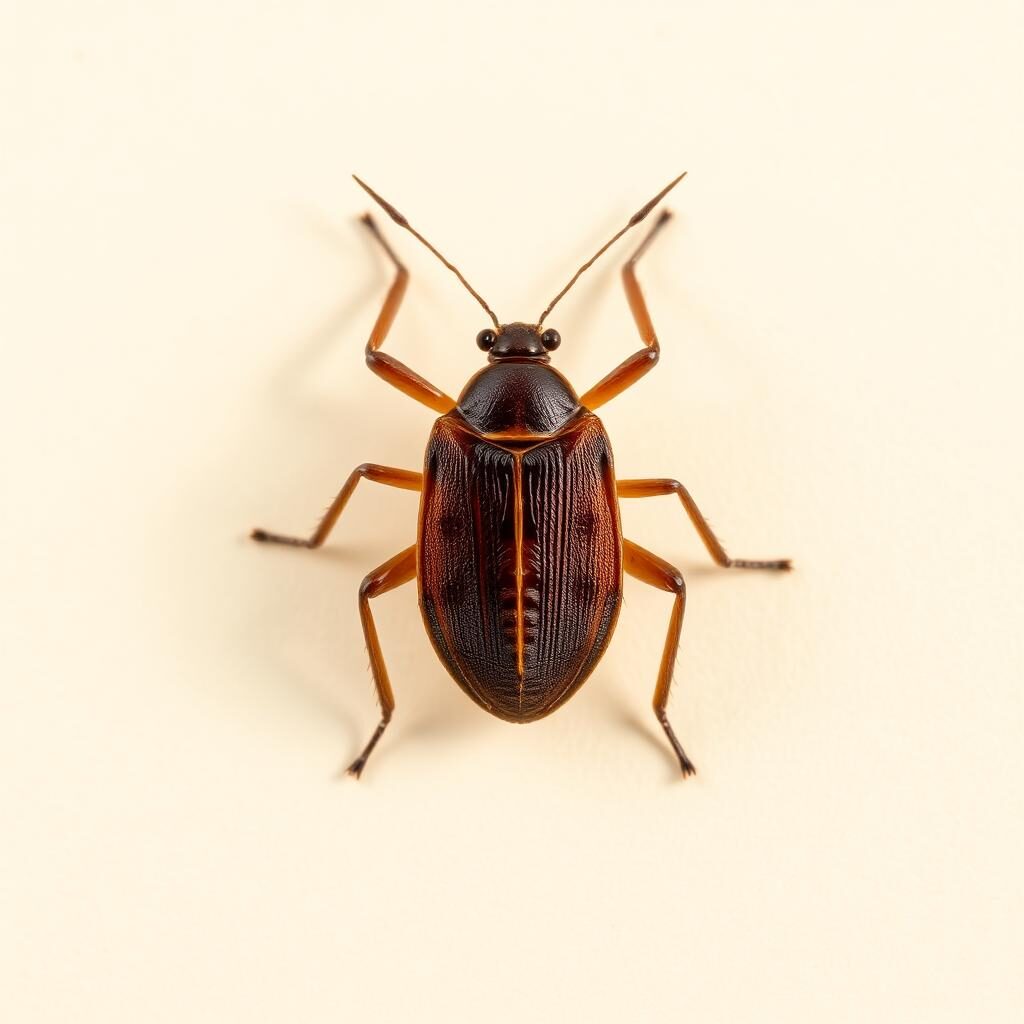
Is it actually
bed bugs?
Misidentification is the single biggest reason bed bugs treatments fail — the wrong species means the wrong product, and the problem comes back. Use the checks below before you call anyone, and photograph anything you're unsure about so the operator can confirm from your booking screen.
- 01Rust-coloured spots on sheets at the seam line
- 02Linear bites on exposed skin, typically arms, neck and ankles
- 03Live insects 4–5mm, flat and reddish-brown, in mattress piping
- 04Pale shed skins along the headboard and bed frame
- 05A sweet, slightly musty odour in heavily infested rooms
Signs of bed bugs.
Small rust-coloured spots along the seam of the bottom sheet or mattress piping. Live bed bugs are 4–5mm, flat, reddish-brown — slower than fleas and easier to spot if you check at 4–5am with a torch.
Bed bugs make no audible noise. Anyone telling you they 'heard them moving' is almost certainly describing a different pest.
Heavy infestations produce a sweet, almost coriander-like odour that lingers in the bedroom even after washing the bedding. Light infestations are odourless.
Dark blood spots where you've rolled onto a fed bug, plus brown faecal spotting concentrated where the mattress meets the headboard.
Why bed bugs are here.
Bed bugs are opportunists. Mattress seams, headboard joints, bed-frame screw holes, behind skirting boards and inside electrical sockets within 1.5m of the bed. The trigger is almost always a combination of food access, warmth, and a quiet entry point — and seasonal pressure (year-round, spiking after travel) tips the scales. Once a population establishes, it rarely retreats on its own; intervention shortens the cycle from months to days.
Cimex lectularius feed every 5–10 days and a female lays 200–500 eggs in her lifetime. Eggs survive most off-the-shelf insecticides.
How to get rid
of bed bugs.
Standard bed bugs treatment is two heat-and-residual treatments 14 days apart. DIY treatment almost always misses dormant pupae and prolongs the outbreak. The break-even point against DIY usually arrives at the second piece of evidence — a single licensed visit at £250 typically beats three rounds of shop-bought product, and comes with a written guarantee.
£250–£600 bed bugs removal.
Typical UK pricing for bed bugs runs £250–£600. The main cost driver is the number of rooms treated and whether heat treatment is required. London adds roughly 20–30% to these figures and rural postcodes trim 10–15%; the matched-operator screen quotes inclusive of survey, call-out and a 30–90 day guarantee.
Full cost breakdown →Stop bed bugs
coming back.
Proofing is what stops bed bugs returning after treatment. The checklist below is what licensed operators include in their post-treatment report; you can run most of it yourself, or have it done at the same visit.
- 01Encase mattresses and box springs in zip-sealed covers
- 02Inspect every piece of second-hand furniture before it enters the home
- 03Bag and tumble-dry travel clothing on hot for 30 minutes after any trip
- 04Hold luggage in the bath, not on carpet, when unpacking
Find a vetted
bed bugs specialist.
Common
questions.
- Q01What's the first sign of bed bugs in a UK home?
- Linear bites on arms or shoulders that appear overnight in groups of three — and weren't there before a recent trip or new mattress.
- Q02When are bed bugs most active during the day?
- Feed 2am–5am while you sleep. Bed bugs make no audible noise. Anyone telling you they 'heard them moving' is almost certainly describing a different pest.
- Q03How do I know it's bed bugs and not something else?
- Bed bugs are most often mistaken for fleas or carpet beetle. Bites alone are inconclusive — confirm with rust spots on the sheet, shed skins or a live insect before treating.
- Q04When does a bed bugs sighting become urgent?
- Bites in a second bedroom, or live bugs on a sofa — both mean spread is already happening.
- Q05Where do bed bugs usually nest or hide?
- Harbourage within 1.5m of the bed. Mattress seams, headboard joints, bed-frame screw holes, behind picture frames above the bed and inside the nearest electrical socket.
- Q06When are bed bugs most active in the UK?
- Bed bugs pressure peaks year-round, spiking after travel. We see booking volumes track this seasonality closely — early-season jobs are cheaper because populations are smaller.
- Q07Are bed bugs treatments safe around children and pets?
- Yes. UK-licensed operators use products approved for domestic use and will brief you on short re-entry windows. Bed bugs protocols are designed around occupied homes, not empty buildings.
- Q08Do bed bugs treatments come with a guarantee?
- Standard bed bugs jobs carry a 30-day guarantee; established cases usually 60–90 days. Any return visit inside the window is at no extra cost.