Bees
in UK homes.
Bees are one of the more frequently reported pests in UK homes, particularly from April to September, with honeybee swarms peaking in May and June. Honeybees (Apis mellifera) live in colonies of 20,000–60,000 and swarm when a colony divides. Bumblebees (Bombus spp.) form small annual nests of 50–400 that die out by October. Masonry / mortar bees (Osmia spp.) are solitary and don't sting. Most cases are resolved within 7–14 days once a licensed operator is on site.
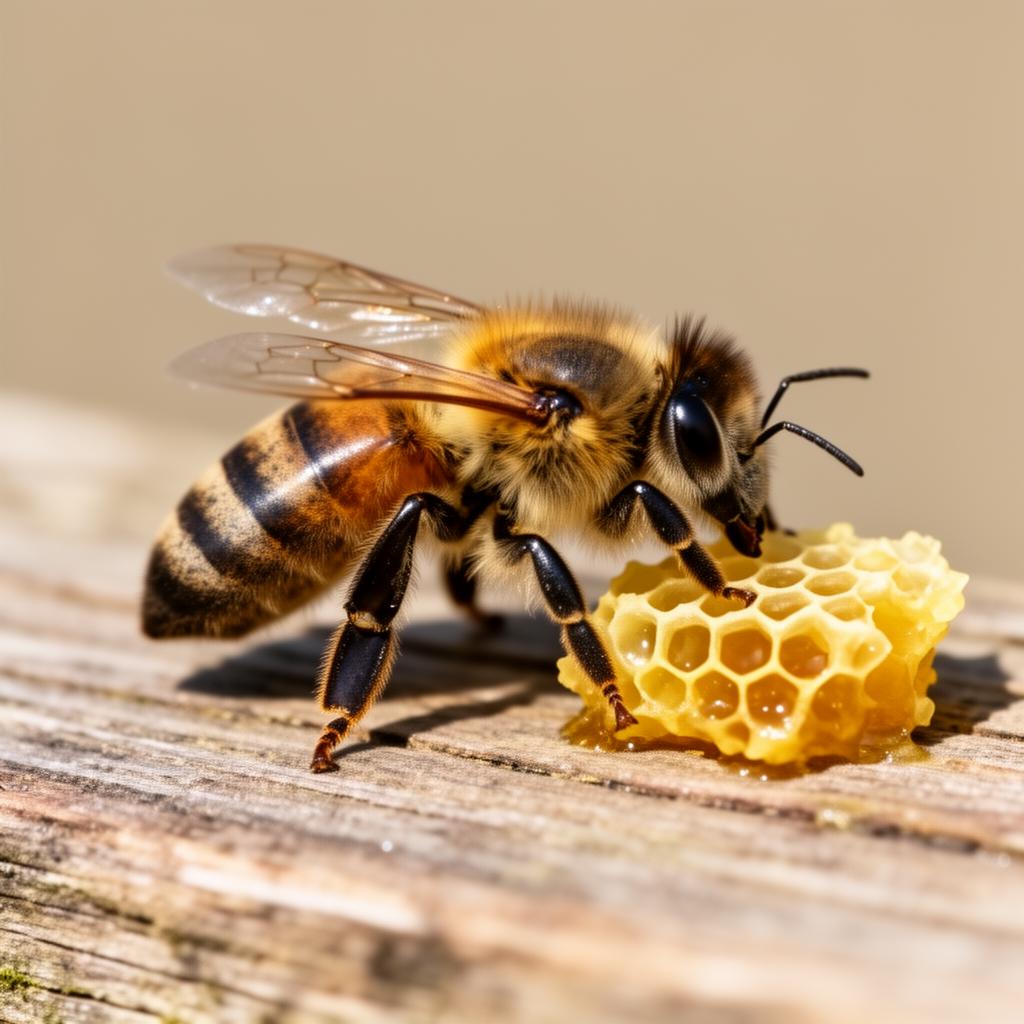
Is it actually
bees?
Misidentification is the single biggest reason bees treatments fail — the wrong species means the wrong product, and the problem comes back. Use the checks below before you call anyone, and photograph anything you're unsure about so the operator can confirm from your booking screen.
- 01Honeybee swarm: a football-sized cluster of 5,000–20,000 bees hanging from a branch or eave for 1–2 days
- 02Bumblebee nest: 50–400 large, fluffy bees coming and going from a single hole in a compost heap, bird box or loft
- 03Masonry bee: small solitary bees emerging from neat round holes in mortar joints between bricks
- 04Wasp confusion: bees are hairy and chunky; wasps are smooth, banded and skinnier
- 05Activity slows dramatically below 12°C — colonies seen flying in deep winter are almost never bees
Signs of bees.
Honeybee swarms cluster in a football-sized ball for 1–2 days. Bumblebees come and go from one entry — a compost heap, a bird box, a loft soffit. Masonry bees leave neat round 6–8mm holes in mortar joints between bricks.
An established honeybee colony in a chimney or cavity produces a constant low background hum on warm days — distinct from the higher pitched buzzing of wasps.
Long-established hive in a wall or chimney can produce a faintly sweet, waxy honey smell. Fresh swarms are odourless.
Masonry bees gradually widen old lime-mortar joints over several seasons. Honeybee colonies abandoned in a wall can leak wax and honey through plaster, staining ceilings below.
Why bees are here.
Bees are opportunists. Honeybee swarms cluster on branches, fences and chimneys for 24–48 hours before moving on. Bumblebees nest in compost heaps, bird boxes and lofts. Masonry bees colonise soft mortar joints in south-facing walls. The trigger is almost always a combination of food access, warmth, and a quiet entry point — and seasonal pressure (April to September, with honeybee swarms peaking in May and June) tips the scales. Once a population establishes, it rarely retreats on its own; intervention shortens the cycle from months to days.
Honeybees (Apis mellifera) live in colonies of 20,000–60,000 and swarm when a colony divides. Bumblebees (Bombus spp.) form small annual nests of 50–400 that die out by October. Masonry / mortar bees (Osmia spp.) are solitary and don't sting.
How to get rid
of bees.
Standard bees treatment is in almost every case, no treatment — a local beekeeper rehomes honeybee swarms free of charge, and bumblebee colonies are left to die out naturally in autumn. Do not spray bees — UK pest controllers will refuse honeybee or bumblebee jobs unless every alternative has been exhausted. The break-even point against DIY usually arrives at the second piece of evidence — a single licensed visit at £80 typically beats three rounds of shop-bought product, and comes with a written guarantee.
£80–£250 bees removal.
Typical UK pricing for bees runs £80–£250. The main cost driver is in almost all cases the cost is £0 — a beekeeper collects the swarm. Masonry bee surveys and repointing are the only paid work. London adds roughly 20–30% to these figures and rural postcodes trim 10–15%; the matched-operator screen quotes inclusive of survey, call-out and a 30–90 day guarantee.
Full cost breakdown →Stop bees
coming back.
Proofing is what stops bees returning after treatment. The checklist below is what licensed operators include in their post-treatment report; you can run most of it yourself, or have it done at the same visit.
- 01Repoint any soft or eroded lime mortar on south-facing walls before April
- 02Cap unused chimney flues with a stainless mesh terminal
- 03Fit a fine mesh over loft and gable vents — entry holes need to be smaller than 5mm
- 04Move compost bins and unused bird boxes away from doorways and windows
- 05Inspect for emerging bee holes each spring before they expand
Regulation
in the UK.
All UK bees are pollinators of high ecological value. The British Beekeepers Association (BBKA) and BPCA both advise that destruction is a last resort, and only where a colony cannot be relocated and poses a clear health risk.
Find a vetted
bees specialist.
Common
questions.
- Q01What's the first sign of bees in a UK home?
- Either a sudden hanging cluster of bees on a branch or fence (honeybee swarm), or fat fluffy bees coming and going from a single hole in a wall, roof or compost heap.
- Q02When are bees most active during the day?
- Active 9am–6pm in warm weather; quiet below 12°C. An established honeybee colony in a chimney or cavity produces a constant low background hum on warm days — distinct from the higher pitched buzzing of wasps.
- Q03How do I know it's bees and not something else?
- Bees are most often mistaken for wasps or hornets. If it is hairy, chunky and slow, it is a bee — call a beekeeper, not a pest controller. If it is smooth, banded and aggressive, it is a wasp.
- Q04When does a bees sighting become urgent?
- A swarm landed near a doorway or in a school, or anyone in the home is allergic — call a local beekeeper today via the BBKA swarm line, not 999.
- Q05Where do bees usually nest or hide?
- Chimneys, soffits, mortar, compost heaps. Honeybees occupy chimney flues, loft cavities and tree hollows. Bumblebees nest in compost, bird boxes and loft insulation. Masonry bees colonise soft mortar joints in south-facing walls.
- Q06What evidence do operators need to quote accurately for bees?
- Photographs of droppings, damage and any sightings, plus a sentence about when activity started and where. Three-quarters of bees jobs are quoted accurately from a postcode and two photos.
- Q07When should I escalate a bees sighting to a professional?
- As soon as you see a second piece of evidence — droppings plus damage, repeat sightings, or activity in two rooms. For bees, two converging signs is the usual trigger.
- Q08Will my home insurance cover bees removal?
- Some policies cover specific pest categories — wasps and rats more often than mice or insects. Check your schedule first; the matched-operator screen tells you which insurers commonly accept their reports.