The UK pest
field guide.
Every species that turns up in British homes — sorted by severity, grouped by class. Identification signs, treatment options, typical 2026 cost, and when to call a vetted pro. One hub, fifteen specimen pages.
Three ways in.
Most homeowners don’t arrive with a species name — they arrive with a noise, a droppings photo, or a quote from a pro that felt high. This index is built for all three. Start where you are: pick the species from the grid below, jump to the symptom index if you only have evidence, or open a cost guide if price is the question.
Every species page follows the same six-section structure: identify, evidence, why it matters, treatment, cost, prevention. We’ve done the editorial work so you can compare apples to apples — bed-bug bites against flea bites, rat droppings against mouse droppings, wasp nests against bee swarms.
Rodents
Warm-blooded, fast-breeding, structurally destructive. The UK's top three call-outs.
 Severity 5/5£150–£400Rats
One of the UK's most damaging pests. Quick to multiply, quicker to chew through cables.
Cost →Identify → Severity 4/5£100–£280Mice
Smaller than rats, just as quick. The signs are easy to miss until there are many of them.
Cost →Identify → Severity 4/5£150–£350Squirrels
Often confused with rats. Daytime scratching in the loft is the giveaway.
Cost →Identify →
Biting & blood-feeders
Bed bugs and fleas. Hard to spot, hard to clear without a specialist.
Crawling insects
Cockroaches, ants, silverfish — kitchens, bathrooms, food prep.
Flying & stinging
Wasps, bees, flies and clothes moths. Seasonal, often acute — bees are protected and handled by beekeepers.
 Severity 4/5£70–£180Wasps
A single nest can hold thousands. Removal is fast, DIY rarely is.
Cost →Identify → Severity 2/5£80–£250Bees
Honeybees and bumblebees are protected — call a beekeeper, not a pest controller. Masonry and tree bees in walls or roofs may need professional advice but rarely destruction.
Cost →Identify → Severity 2/5£70–£180Cluster flies
Seasonal, mostly autumn. A loft fogging is usually the answer.
Cost →Identify → Severity 3/5£80–£220Clothes moths
The damage is in the wardrobe, not the air. A specialist clearance is usually needed.
Cost →Identify →
Structural
Woodworm. Slow, silent, and easy to miss until joists fail.
Birds & wildlife
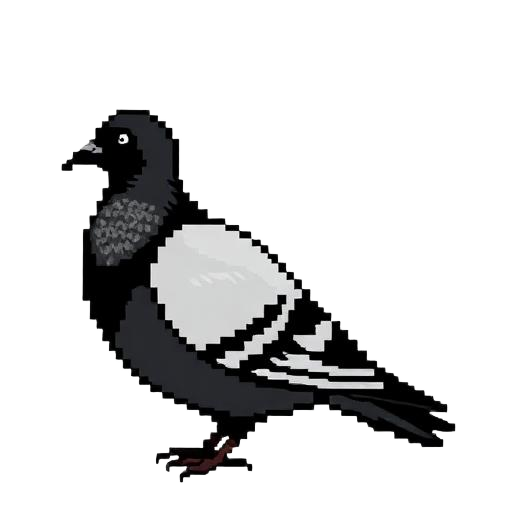
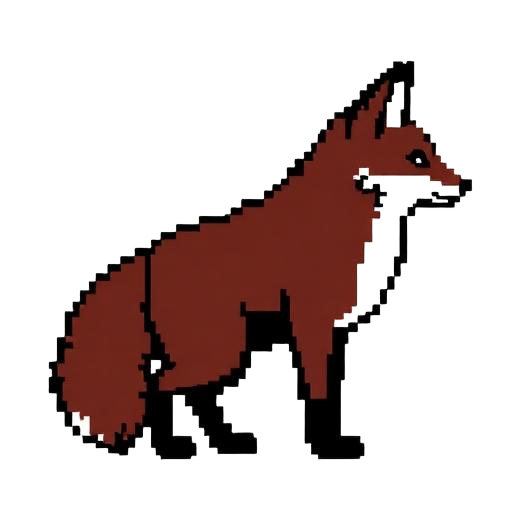
Pigeons, urban foxes. Licensed and regulated — get advice first.
Spiders
Mostly harmless in the UK, but worth identifying.
What it costs, by species.
Typical 2026 UK ranges. Add ~25% inside the M25; subtract ~10% for rural call-outs. Every row links to a full cost guide with severity tiers, DIY-vs-pro break-even, and council options.
| Pest | Severity | Typical range | Cost guide |
|---|---|---|---|
| Bed bugs | 5/5 | £250 – £600 | bed-bugs-removal-cost → |
| Rats | 5/5 | £150 – £400 | rats-removal-cost → |
| Cockroaches | 5/5 | £180 – £450 | cockroaches-removal-cost → |
| Squirrels | 4/5 | £150 – £350 | squirrels-removal-cost → |
| Mice | 4/5 | £100 – £280 | mice-removal-cost → |
| Wasps | 4/5 | £70 – £180 | wasps-removal-cost → |
| Woodworm | 4/5 | £300 – £1,500 | woodworm-removal-cost → |
| Clothes moths | 3/5 | £80 – £220 | moths-removal-cost → |
| Pigeons | 3/5 | £200 – £800 | pigeons-removal-cost → |
| Fleas | 3/5 | £90 – £200 | fleas-removal-cost → |
| Bees | 2/5 | £80 – £250 | bees-removal-cost → |
| Silverfish | 2/5 | £60 – £150 | silverfish-removal-cost → |
| Cluster flies | 2/5 | £70 – £180 | flies-removal-cost → |
| Ants | 2/5 | £50 – £120 | ants-removal-cost → |
| Urban foxes | 2/5 | £150 – £400 | foxes-removal-cost → |
| Spiders | 1/5 | £50 – £120 | spiders-removal-cost → |
What you’re actually allowed to do.
Grey squirrels: Schedule 9 invasive non-native species. Legal to control, illegal to release once trapped. Use humane dispatch or a qualified operator.
Wild birds: All wild birds are protected under the Wildlife and Countryside Act 1981. Pigeon control requires a general licence (GL42 for public-health risk). Don’t touch nests with eggs or chicks.
Bats: Every UK bat species is strictly protected. If you find roosting bats in a loft, stop work and call the Bat Conservation Trust helpline before any treatment.
Foxes: Not protected as a species, but trapping and dispatch methods are regulated. Snares are restricted; poison is illegal.
Rodenticides: Outdoor anticoagulant use is restricted to certified professionals under the CRRU UK stewardship regime. Most off-the-shelf bait blocks are for indoor use only.
Common questions.
- What are the most common pests in UK homes?
- Rats, mice, bed bugs, wasps and cockroaches account for the majority of UK household call-outs. Squirrels and pigeons dominate loft and roof complaints; ants, flies, silverfish and clothes moths drive most low-severity callouts in spring and summer.
- Which pests are a public-health risk?
- Rats, mice, cockroaches and pigeons are classed as public-health pests by local councils — they spread pathogens and damage food. Bed bugs and fleas are not disease vectors but trigger severe skin reactions. Wasps near nests are an acute injury risk.
- When should I call a professional rather than DIY?
- Call a pro when you see a second piece of evidence (e.g. droppings AND damage), when the species is regulated (squirrels, wasps, pigeons), when treatment touches lofts, cavities or food-prep areas, or when one cycle of shop-bought product has already failed.
- How much does UK pest control cost?
- Most household treatments fall between £80 and £450 depending on species and severity. Rodents and bed bugs sit at the upper end; ants, flies and silverfish at the lower. See our per-species cost guides for typical 2026 ranges and what moves the price.
- Are councils still doing free pest control?
- Most English councils now charge or subsidise rather than provide free treatments. Costs are typically £60–£150 per visit, with rats and mice covered most often. Bed bugs, wasps and cockroaches are usually private-only.
- Which pests are legally protected in the UK?
- Grey squirrels can be controlled but cannot legally be released once trapped. Bats and most wild birds are protected — pigeon control is licensed. Always use a qualified operator for protected or licensed species.
Beyond the species page.
Law, councils, tenancy rules, insurance, seasonality — the questions the field guide doesn’t answer.