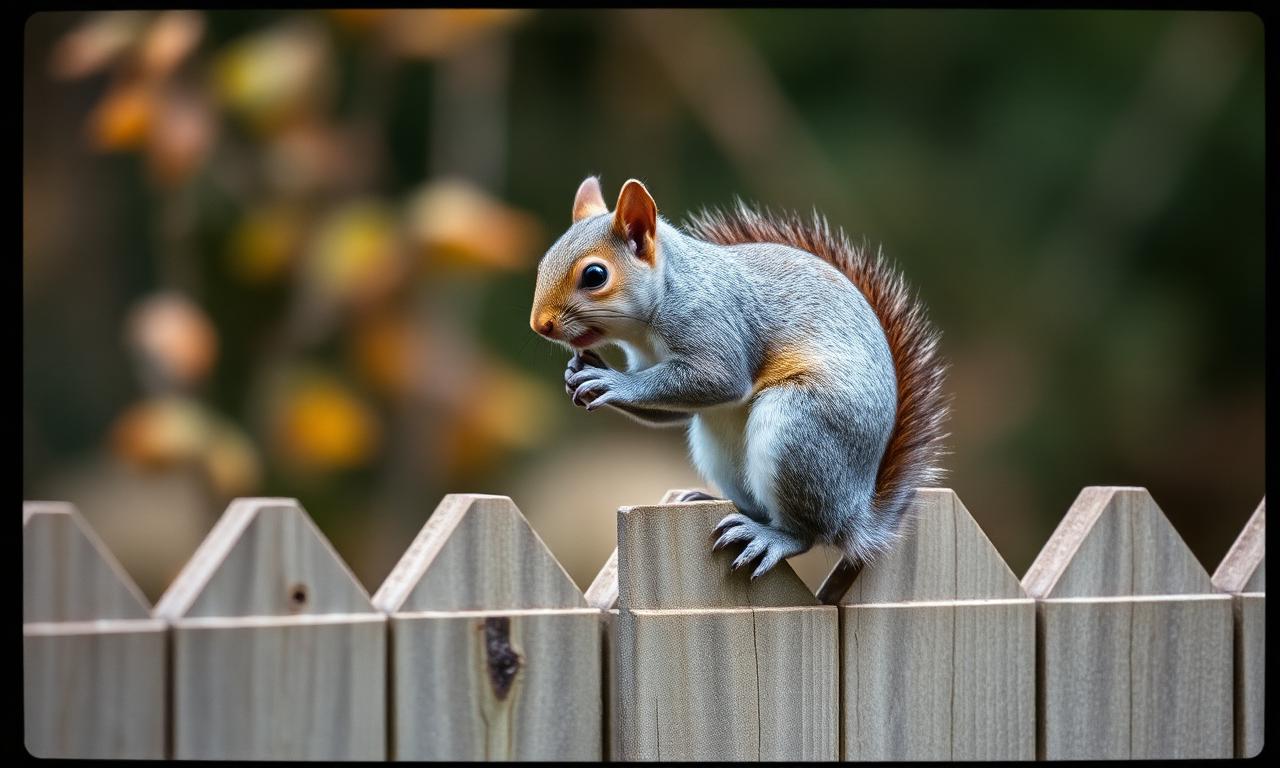
Grey squirrels (Sciurus carolinensis) are listed on Schedule 9 of the Wildlife and Countryside Act 1981. That listing makes them an invasive non-native species in Great Britain, and creates two rules that catch homeowners out every spring.
The two rules that matter
- 01It is legal to humanely kill a grey squirrel that you have trapped or are controlling on your property.
- 02It is illegal to release a trapped grey squirrel back into the wild — including in a 'nicer' woodland down the road.
The second rule is the one most people break by accident. A live-catch trap is fine to use, but the moment a squirrel is in it, you are legally responsible for humanely dispatching it. Driving it to a forest and letting it go is an offence under the Invasive Alien Species (Enforcement and Permitting) Order 2019.
What 'humane dispatch' actually means
DEFRA accepts two methods for trapped grey squirrels: cranial concussion (a sharp blow to the head with a heavy blunt instrument) or shooting at close range with an appropriate air rifle. Drowning is illegal under the Animal Welfare Act 2006.
Red squirrels — completely different
Red squirrels (Sciurus vulgaris) are fully protected under the same Act. Killing, trapping or even disturbing one carries a fine of up to £5,000 per animal and a possible custodial sentence. If you're in Scotland, Cumbria, Northumberland or parts of North Wales and you're not sure which species you've got, don't trap until you've identified it.
Poisons and rodenticides
Warfarin is the only poison legally approved for grey squirrel control, and only inside buildings, in specific bait boxes, and only by trained operators. Don't use rat poison on squirrels — it's both illegal and ineffective.