Squirrels
in UK homes.
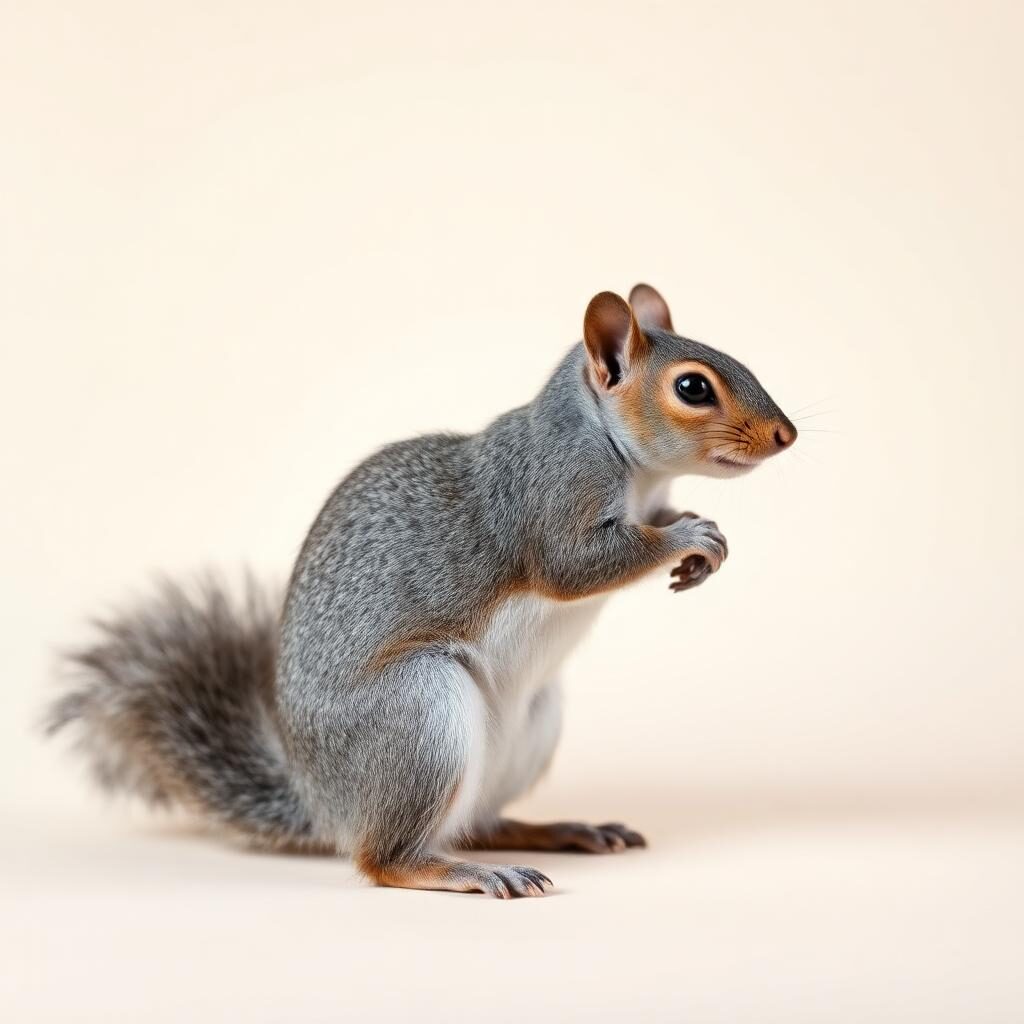
Squirrels are one of the more frequently reported pests in UK homes, particularly from January to April and August to September. Eastern grey squirrels (Sciurus carolinensis) breed twice a year. A single drey in a loft is usually a female with kits, which is why repeat trapping is so often needed. Severity 4–5 ratings mean treatment is usually booked same-day rather than scheduled across the week.
Is it actually
squirrels?
Misidentification is the single biggest reason squirrels treatments fail — the wrong species means the wrong product, and the problem comes back. Use the checks below before you call anyone, and photograph anything you're unsure about so the operator can confirm from your booking screen.
- 01Heavy daytime running and thumping in the loft (not at night — that's rats)
- 02Chewed timber around the soffit, often with hairs caught in the splinters
- 03Stripped bark on nearby trees and digging on the lawn
- 04Frayed cable insulation in the loft — a serious fire risk
Signs of squirrels.
Droppings 8mm wide, often paler than rat droppings, scattered across the insulation rather than along edges. You may also see frayed cable insulation in a single concentrated area.
Running noises with weight behind them, often at first light and again in the late afternoon. Sometimes a rolling sound as they move cached food.
After rain, a damp, animal smell at the soffit or near the loft hatch — squirrels carry wet fur straight into the nest.
Gnawed soffit, fascia or barge-board with hair caught in the splinters. Lifted ridge tiles or chewed lead flashing around the chimney.
Why squirrels are here.
Squirrels are opportunists. Loft spaces accessed via the soffit-fascia gap, gable-end vents, lifted ridge tiles, and chimneys without a cap. The trigger is almost always a combination of food access, warmth, and a quiet entry point — and seasonal pressure (January to April and August to September) tips the scales. Once a population establishes, it rarely retreats on its own; intervention shortens the cycle from months to days.
Eastern grey squirrels (Sciurus carolinensis) breed twice a year. A single drey in a loft is usually a female with kits, which is why repeat trapping is so often needed.
How to get rid
of squirrels.
Standard squirrels treatment is trap and dispatch under the Wildlife and Countryside Act, then full roofline proofing. Live trapping and release is illegal for grey squirrels in the UK. The break-even point against DIY usually arrives at the second piece of evidence — a single licensed visit at £150 typically beats three rounds of shop-bought product, and comes with a written guarantee.
£150–£350 squirrels removal.
Typical UK pricing for squirrels runs £150–£350. The main cost driver is the number of trapping visits before the loft is confirmed clear. London adds roughly 20–30% to these figures and rural postcodes trim 10–15%; the matched-operator screen quotes inclusive of survey, call-out and a 30–90 day guarantee.
Full cost breakdown →Stop squirrels
coming back.
Proofing is what stops squirrels returning after treatment. The checklist below is what licensed operators include in their post-treatment report; you can run most of it yourself, or have it done at the same visit.
- 01Replace any rotten fascia or soffit before sealing the access point
- 02Fit chimney pot caps with stainless mesh
- 03Re-bed lifted ridge tiles and check after every storm
- 04Trim back overhanging branches by 1.8m from the roofline
Regulation
in the UK.
Grey squirrels are listed under Schedule 9 of the Wildlife and Countryside Act 1981. It is an offence to release one once trapped — a licensed operator is the only legal route.
Find a vetted
squirrels specialist.
Common
questions.
- Q01What's the first sign of squirrels in a UK home?
- Daytime running and thumping in the loft is the giveaway — rats and mice are quiet during the day.
- Q02When are squirrels most active during the day?
- Active 7am–6pm, peaks at dawn and late afternoon. Running noises with weight behind them, often at first light and again in the late afternoon. Sometimes a rolling sound as they move cached food.
- Q03How do I know it's squirrels and not something else?
- Squirrels are most often mistaken for rats or pigeons. Loft noise between 7am and dusk is squirrels in almost every UK case.
- Q04When does a squirrels sighting become urgent?
- Smelling burning electrics, or visible scorch marks at the consumer unit — chewed cabling is the leading cause of squirrel-related loft fires.
- Q05Where do squirrels usually nest or hide?
- Drey in the loft, kits in spring. A football-sized drey of shredded insulation and twigs, usually against a gable end. Two breeding seasons a year (Feb–Apr and Aug–Sep) mean kits are common.
- Q06Do squirrels treatments come with a guarantee?
- Standard squirrels jobs carry a 30-day guarantee; established cases usually 60–90 days. Any return visit inside the window is at no extra cost.
- Q07Is it dangerous to wait on squirrels?
- Risk scales with population. Specific to squirrels: fire risk from chewed cabling and water damage from gnawed lead flashing. Acting early is almost always cheaper, faster and less disruptive than letting the population establish.
- Q08Will my home insurance cover squirrels removal?
- Some policies cover specific pest categories — wasps and rats more often than mice or insects. Check your schedule first; the matched-operator screen tells you which insurers commonly accept their reports.