Squirrels control
in Belfast.
Often confused with rats. Daytime scratching in the loft is the giveaway. In Belfast, the most common call-outs start with heavy daytime scratching above ceilings — concentrated across BT.
Severity 4/5 — same-day response is standard in Belfast and we route urgent jobs first.
Specialists are being added in Belfast.
Use the form above and we’ll route your enquiry to vetted operators serving nearby postcodes within the hour.
Why squirrels thrive in Belfast.
Belfast is a city in Northern Ireland, and the local squirrels pressure is shaped by its building stock and street pattern. We see repeat activity in chimney flues and chimney flues, with most ingress traced to open chimney pots — and, on older stock, rotten fascia. Pressure rises in January to April (drey season) and August to September (second litter), and the wet, mild north-western air keeps activity going later into autumn. Coverage spans BT.
The Belfast protocol.
For Belfast jobs, a typical squirrels treatment is trap and dispatch under the Wildlife and Countryside Act, followed by full proofing of roofline access points. Operators on our Northern Ireland network carry the relevant CRRU / RSPH certifications and provide a written report you can share with a Belfast landlord, letting agent or the local environmental health team.
Prices in Belfast sit slightly below the national average for squirrels (typical £135–£315), reflecting the density of operators across Northern Ireland.
What squirrels look like in a Belfast home.
- № 01heavy daytime scratching above ceilings
- № 02stripped bark on nearby trees
- № 03chewed loft cables
Squirrels in Belfast — common questions.
- How quickly can someone treat squirrels in Belfast?
- Same-day in most Belfast postcodes when reported before noon. Out-of-hours cover is available from a subset of the network.
- What does squirrels treatment cost in Belfast?
- Prices in Belfast sit slightly below the national average for squirrels (typical £135–£315), reflecting the density of operators across Northern Ireland. Quotes include the survey, treatment, and follow-up visits where the protocol requires them. There is no charge if you decline after the survey.
- What are the early warning signs of squirrels here?
- In Belfast the first signs are usually heavy daytime scratching above ceilings, stripped bark on nearby trees and chewed loft cables. If two or more of those overlap, treat it as confirmed activity rather than a one-off.
- Why are squirrels a problem in Belfast specifically?
- Local building stock and Northern Ireland climate create reliable harbourage in chimney flues and chimney flues. Most ingress traces back to open chimney pots, which is also the proofing priority after treatment. On top of that, the wet, mild north-western air keeps activity going later into autumn.
- Should I report a squirrels problem to Belfast environmental health?
- For domestic jobs, no — a private treatment is faster. Report to Belfast environmental health if the issue originates next door, in a shared block, or from a commercial premises. Operators issue paperwork in the format EHOs accept.
- Is treatment safe around children and pets?
- Yes. Operators use products approved for domestic use and will brief you on any short re-entry windows. For squirrels, the protocol is trap and dispatch under the Wildlife and Countryside Act.
Other pests we treat in Belfast.
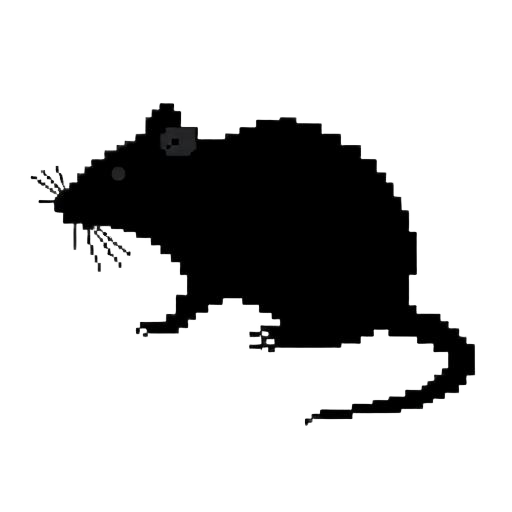
One of the UK's most damaging pests. Quick to multiply, quicker to chew through cables.
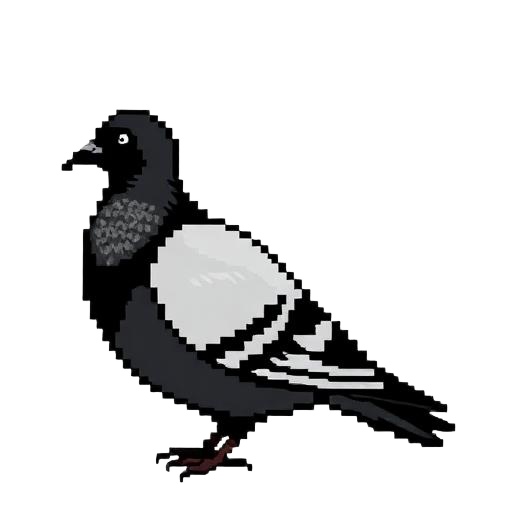
Mess, noise, and damage. Proofing is the long-term answer.
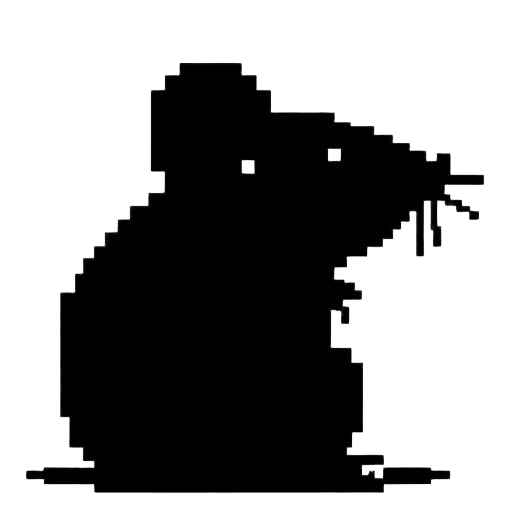
Smaller than rats, just as quick. The signs are easy to miss until there are many of them.
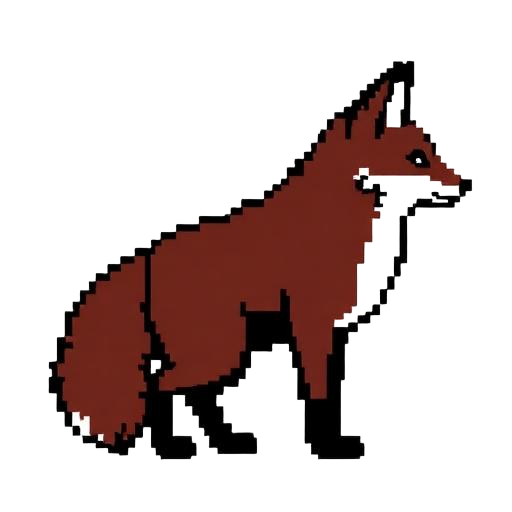
Protected animals. Deterrence, not removal, is almost always the answer.