Wasps
in UK homes.
Wasps are one of the more frequently reported pests in UK homes, particularly from May to early October, peaking in August. Common wasps (Vespula vulgaris) build paper nests from chewed wood pulp. A mature nest in August holds 5,000–10,000 workers and is at its most defensive. Severity 4–5 ratings mean treatment is usually booked same-day rather than scheduled across the week.
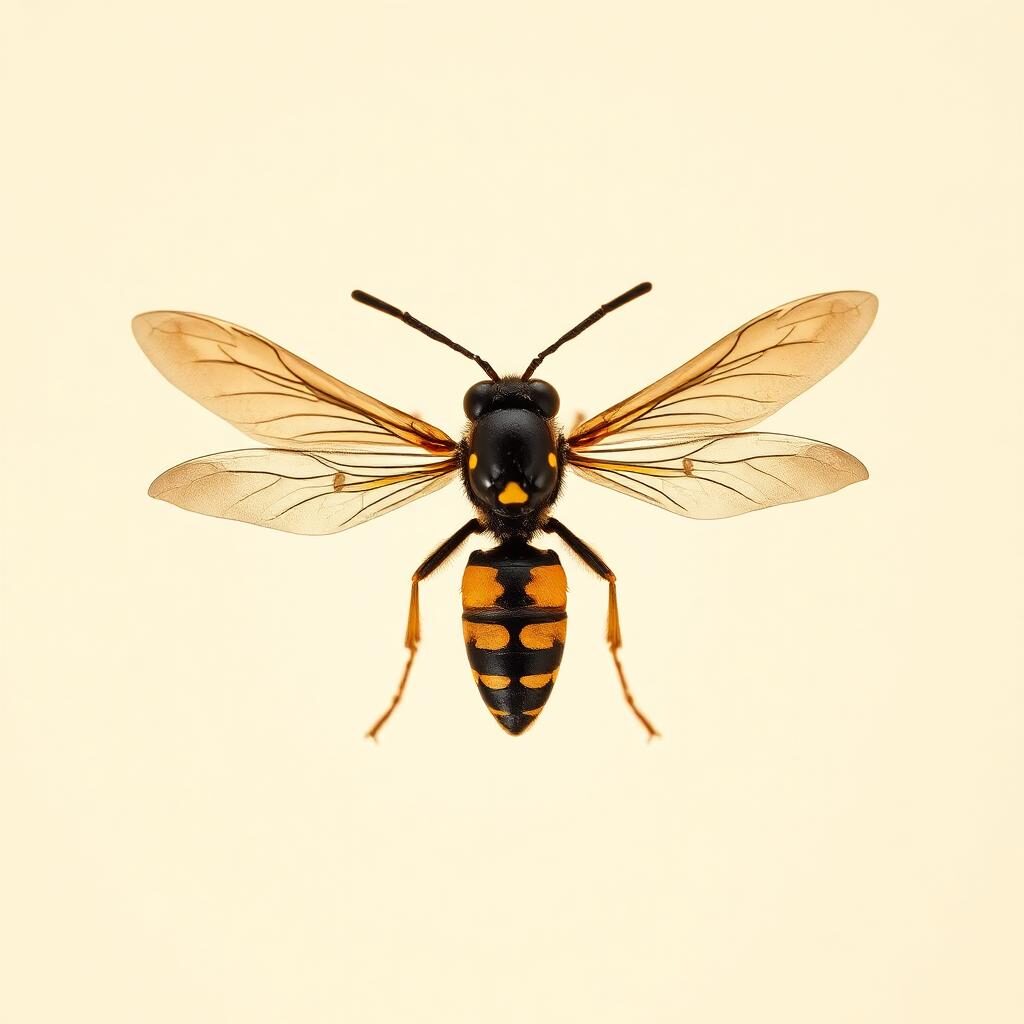
Is it actually
wasps?
Misidentification is the single biggest reason wasps treatments fail — the wrong species means the wrong product, and the problem comes back. Use the checks below before you call anyone, and photograph anything you're unsure about so the operator can confirm from your booking screen.
- 01A steady stream of wasps in and out of a single point on the building
- 02A grey papery shell visible in a loft, shed or under the eaves
- 03Faint rustling sound in a wall void on warm afternoons
- 04More than 4–5 wasps inside the home on consecutive days
Signs of wasps.
A pale grey papery globe under the eaves, in a loft or shed, or — more often — invisible behind a single hole in the soffit with wasps shuttling in and out every few seconds.
A faint humming or rustling inside a wall void or ceiling that gets louder when the sun heats that elevation — usually meaning the nest is directly behind that surface.
Wasp nests are essentially odourless. A sweet rotting smell in the same area is more likely to be trapped honeybee comb (different problem, different treatment).
Brown sticky staining on a ceiling below a loft nest, and the occasional 'dropout' wasp falling through a light fitting or extractor as the nest matures.
Why wasps are here.
Wasps are opportunists. Loft eaves, soffit voids, cavity walls accessed via air-bricks, garden sheds, and undisturbed compost heaps. The trigger is almost always a combination of food access, warmth, and a quiet entry point — and seasonal pressure (May to early October, peaking in August) tips the scales. Once a population establishes, it rarely retreats on its own; intervention shortens the cycle from months to days.
Common wasps (Vespula vulgaris) build paper nests from chewed wood pulp. A mature nest in August holds 5,000–10,000 workers and is at its most defensive.
How to get rid
of wasps.
Standard wasps treatment is a single same-day insecticidal-dust treatment to the access point. Shop-bought wasp killers work on small open nests; loft and cavity nests need a pro. The break-even point against DIY usually arrives at the second piece of evidence — a single licensed visit at £70 typically beats three rounds of shop-bought product, and comes with a written guarantee.
£70–£180 wasps removal.
Typical UK pricing for wasps runs £70–£180. The main cost driver is nest height and whether scaffolding or a cherry-picker is needed. London adds roughly 20–30% to these figures and rural postcodes trim 10–15%; the matched-operator screen quotes inclusive of survey, call-out and a 30–90 day guarantee.
Full cost breakdown →Stop wasps
coming back.
Proofing is what stops wasps returning after treatment. The checklist below is what licensed operators include in their post-treatment report; you can run most of it yourself, or have it done at the same visit.
- 01Mesh every air-brick and ridge vent with stainless 4mm
- 02Inspect soffits and fascia joints each April
- 03Treat the access point — not the nest body — to break next year's cycle
- 04Keep bin lids closed and rinse cans before recycling
Find a vetted
wasps specialist.
Common
questions.
- Q01What's the first sign of wasps in a UK home?
- A steady, single-file stream of wasps in and out of one point on the building is a nest — and that's the only access you need to identify.
- Q02When are wasps most active during the day?
- Daytime — peak traffic 11am–3pm in August. A faint humming or rustling inside a wall void or ceiling that gets louder when the sun heats that elevation — usually meaning the nest is directly behind that surface.
- Q03How do I know it's wasps and not something else?
- Wasps are most often mistaken for honeybees or hornets. Five or more wasps a day inside the house through July or August almost always means a nest in the structure.
- Q04When does a wasps sighting become urgent?
- Anyone in the home is allergic, or the nest is near a door, child's bedroom or footpath.
- Q05Where do wasps usually nest or hide?
- Eaves, soffits, cavity walls. Loft eaves, soffit voids, cavity walls accessed via air-bricks, garden sheds, compost heaps — anywhere undisturbed with a small, defensible entry hole.
- Q06Do I need to leave my home during wasps treatment?
- For most wasps treatments, no. Wasps treatment is a single same-day insecticidal-dust treatment to the access point, and the operator will brief you on any short re-entry window before they start.
- Q07Are wasps treatments safe around children and pets?
- Yes. UK-licensed operators use products approved for domestic use and will brief you on short re-entry windows. Wasps protocols are designed around occupied homes, not empty buildings.
- Q08When should I escalate a wasps sighting to a professional?
- As soon as you see a second piece of evidence — droppings plus damage, repeat sightings, or activity in two rooms. For wasps specifically, treat any indoor activity as urgent.