Wasps control
in Bristol.
A single nest can hold thousands. Removal is fast, DIY rarely is. In Bristol, the most common call-outs start with steady traffic to a single entry point — concentrated across BS.
Severity 4/5 — same-day response is standard in Bristol and we route urgent jobs first.
6 wasps specialists covering Bristol.
Bristol-headquartered, covering the South West and South Wales. Free no-obligation surveys.
Highly rated Checkatrade member providing pest and vermin control services in Bristol.
Local Bristol pest control specialist featured on Checkatrade.
Checkatrade-approved local pest control operator serving Bristol and Bath areas.

Need pest control in Bristol? Pale Horse Pest Control offers fast, effective solutions for rats, mice, wasps, bumble bees and other insects. Get a free quote today!

Professional pest control services in Bristol, Advance Pest Control are local pest removal experts for homes & businesses in Bristol.
Why wasps thrive in Bristol.
Bristol is a city in South West, and the local wasps pressure is shaped by its building stock and street pattern. We see repeat activity in wall cavities and garden sheds, with most ingress traced to soffit joints — and, on older stock, roof tile gaps. Pressure rises in May to early October, with peak aggression in August, and milder southern winters extend the breeding window by several weeks. Coverage spans BS.
The Bristol protocol.
For Bristol jobs, a typical wasps treatment is single same-day insecticidal-dust treatment to the access point, with a 24-hour quiet period before the nest is safe to remove. Operators on our South West network carry the relevant CRRU / RSPH certifications and provide a written report you can share with a Bristol landlord, letting agent or the local environmental health team.
Prices in Bristol sit above the national average for wasps (typical £77–£198) — driven by access, parking, and travel time across South West.
What wasps look like in a Bristol home.
- № 01steady traffic to a single entry point
- № 02papery nest visible in the loft
- № 03buzzing inside ceilings on warm afternoons
Wasps in Bristol — common questions.
- What does wasps treatment cost in Bristol?
- Prices in Bristol sit above the national average for wasps (typical £77–£198) — driven by access, parking, and travel time across South West. Quotes include the survey, treatment, and follow-up visits where the protocol requires them. There is no charge if you decline after the survey.
- What are the early warning signs of wasps here?
- In Bristol the first signs are usually steady traffic to a single entry point, papery nest visible in the loft and buzzing inside ceilings on warm afternoons. If two or more of those overlap, treat it as confirmed activity rather than a one-off.
- Why are wasps a problem in Bristol specifically?
- Local building stock and South West climate create reliable harbourage in wall cavities and garden sheds. Most ingress traces back to soffit joints, which is also the proofing priority after treatment. On top of that, milder southern winters extend the breeding window by several weeks.
- Which Bristol postcodes do you cover for wasps?
- Coverage centres on BS. If your postcode borders one of those districts, the same Bristol operators will usually attend at no extra travel cost.
- Should I report a wasps problem to Bristol environmental health?
- For domestic jobs, no — a private treatment is faster. Report to Bristol environmental health if the issue originates next door, in a shared block, or from a commercial premises. Operators issue paperwork in the format EHOs accept.
- Is treatment safe around children and pets?
- Yes. Operators use products approved for domestic use and will brief you on any short re-entry windows. For wasps, the protocol is single same-day insecticidal-dust treatment to the access point.
Other pests we treat in Bristol.

Honeybees and bumblebees are protected — call a beekeeper, not a pest controller. Masonry and tree bees in walls or roofs may need professional advice but rarely destruction.
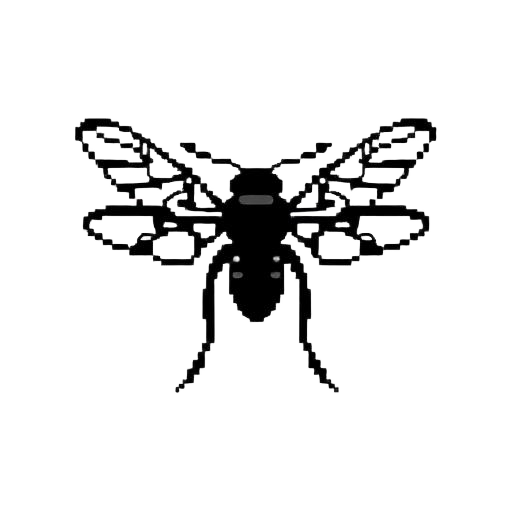
Seasonal, mostly autumn. A loft fogging is usually the answer.
Mostly harmless, sometimes relentless. Treatment depends on the species.

Mostly harmless in the UK. False widows are the exception worth checking.