Rats
in UK homes.
Rats are one of the more frequently reported pests in UK homes, particularly from October to March. UK rat infestations are almost always brown rats (Rattus norvegicus). A single pair can produce 2,000 descendants in a year if food and harbourage are unrestricted. Severity 4–5 ratings mean treatment is usually booked same-day rather than scheduled across the week.
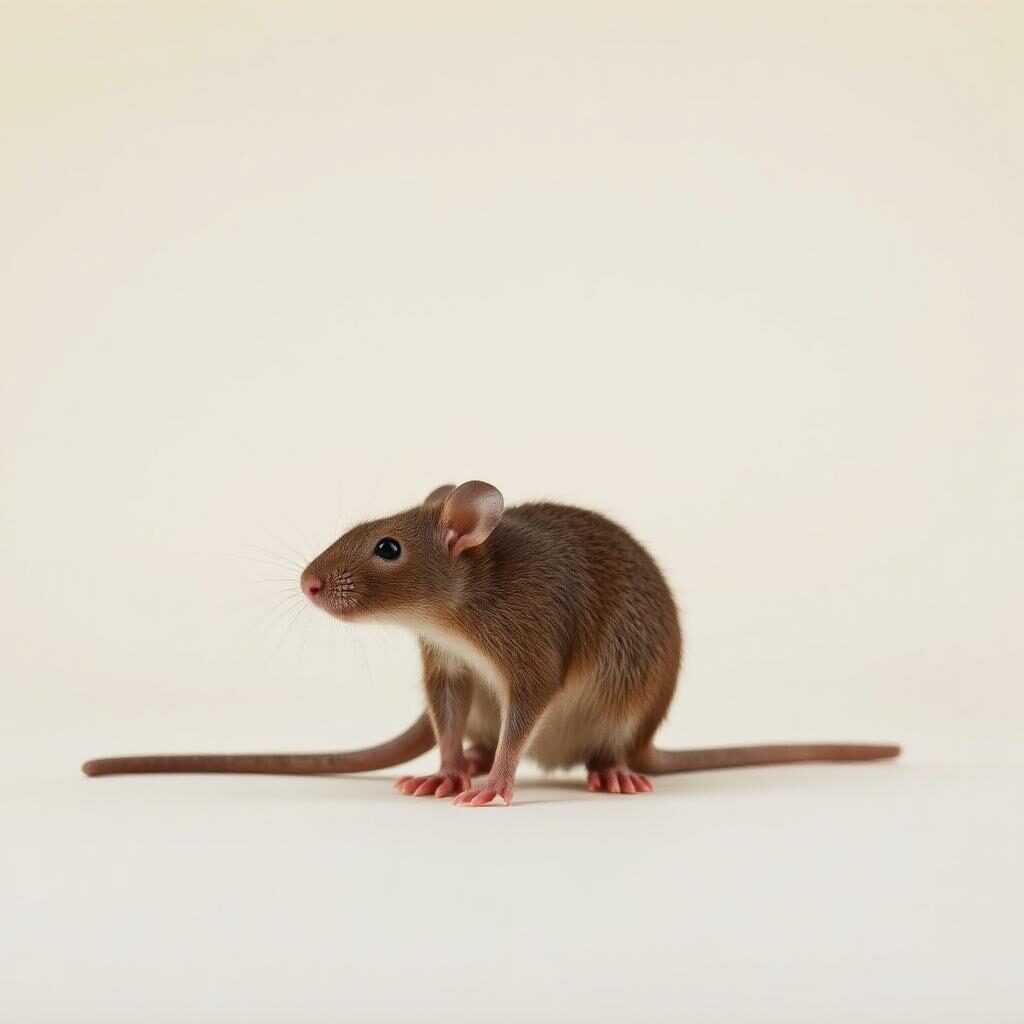
Is it actually
rats?
Misidentification is the single biggest reason rats treatments fail — the wrong species means the wrong product, and the problem comes back. Use the checks below before you call anyone, and photograph anything you're unsure about so the operator can confirm from your booking screen.
- 01Capsule droppings 8–12mm, dark and clustered along skirtings
- 02Dark greasy smear marks where they brush past pipes and beams
- 03Heavy scratching or thumping after dark, usually above ceilings
- 04Chewed cabling, plastic pipework or holes through cardboard packaging
- 05Burrow entrances 60–90mm wide near outbuildings, decking or compost
Signs of rats.
Dark, glossy when fresh, clustered along skirtings and behind appliances. A single rat produces 30–40 droppings a day, so volume builds quickly.
Brown rats are nocturnal — most reports describe thumping, dragging or fighting noises between 9pm and 4am, usually directly above bedroom or living-room ceilings.
A persistent ammonia tang along skirtings or in the cupboard under the sink that doesn't shift after cleaning is rat urine soaking through plasterboard.
Tooth marks on UPVC pipework, chewed plastic conduit, and frayed cable insulation in lofts. Chewed mains cable is a category-one fire risk.
Why rats are here.
Rats are opportunists. Drains, cavity walls, under decking, loft spaces accessed via the soffit-fascia gap, and garages that share a wall with kitchens. The trigger is almost always a combination of food access, warmth, and a quiet entry point — and seasonal pressure (October to March) tips the scales. Once a population establishes, it rarely retreats on its own; intervention shortens the cycle from months to days.
UK rat infestations are almost always brown rats (Rattus norvegicus). A single pair can produce 2,000 descendants in a year if food and harbourage are unrestricted.
How to get rid
of rats.
Standard rats treatment is two to three visits with bait stations and full proofing of entry points. DIY snap traps catch individuals but rarely clear an established colony. The break-even point against DIY usually arrives at the second piece of evidence — a single licensed visit at £150 typically beats three rounds of shop-bought product, and comes with a written guarantee.
£150–£400 rats removal.
Typical UK pricing for rats runs £150–£400. The main cost driver is drain works, repeat visits and roofline proofing. London adds roughly 20–30% to these figures and rural postcodes trim 10–15%; the matched-operator screen quotes inclusive of survey, call-out and a 30–90 day guarantee.
Full cost breakdown →Stop rats
coming back.
Proofing is what stops rats returning after treatment. The checklist below is what licensed operators include in their post-treatment report; you can run most of it yourself, or have it done at the same visit.
- 01Brush-strip and seal under garage and shed doors
- 02Cap or grille every soil stack and disused vent
- 03CCTV-survey drains every 5 years and patch broken haunching
- 04Lift compost bins onto a hard standing and turn weekly
- 05Cut back climbing plants from the roofline by 600mm
Find a vetted
rats specialist.
Common
questions.
- Q01What's the first sign of rats in a UK home?
- The classic opener is heavy thumping in the loft after dark — heavier than mice, slower than squirrels.
- Q02When are rats most active during the day?
- Active 9pm–5am, peak around midnight. Brown rats are nocturnal — most reports describe thumping, dragging or fighting noises between 9pm and 4am, usually directly above bedroom or living-room ceilings.
- Q03How do I know it's rats and not something else?
- Rats are most often mistaken for mice or squirrels. Capsule droppings plus night-time noise is rats almost every time. One on its own can be mice or squirrels.
- Q04When does a rats sighting become urgent?
- Daytime sightings, or droppings in a child's bedroom — both mean the population has outgrown its hiding places.
- Q05Where do rats usually nest or hide?
- Burrows and loft drey-style nests. 60–90mm burrow entrances near decking, sheds or compost bins outside; shredded loft insulation pulled into a hollow inside.
- Q06Will my home insurance cover rats removal?
- Some policies cover specific pest categories — wasps and rats more often than mice or insects. Check your schedule first; the matched-operator screen tells you which insurers commonly accept their reports.
- Q07How quickly can rats be removed?
- Most rats treatments resolve activity within 7–14 days. Severity 4–5 species are routinely booked same-day.
- Q08Are rats treatments safe around children and pets?
- Yes. UK-licensed operators use products approved for domestic use and will brief you on short re-entry windows. Rats protocols are designed around occupied homes, not empty buildings.