Cockroaches
in UK homes.
Cockroaches are one of the more frequently reported pests in UK homes, particularly year-round. German cockroaches (Blattella germanica) double their population every 6–8 weeks indoors and travel building-wide via service risers. Severity 4–5 ratings mean treatment is usually booked same-day rather than scheduled across the week.
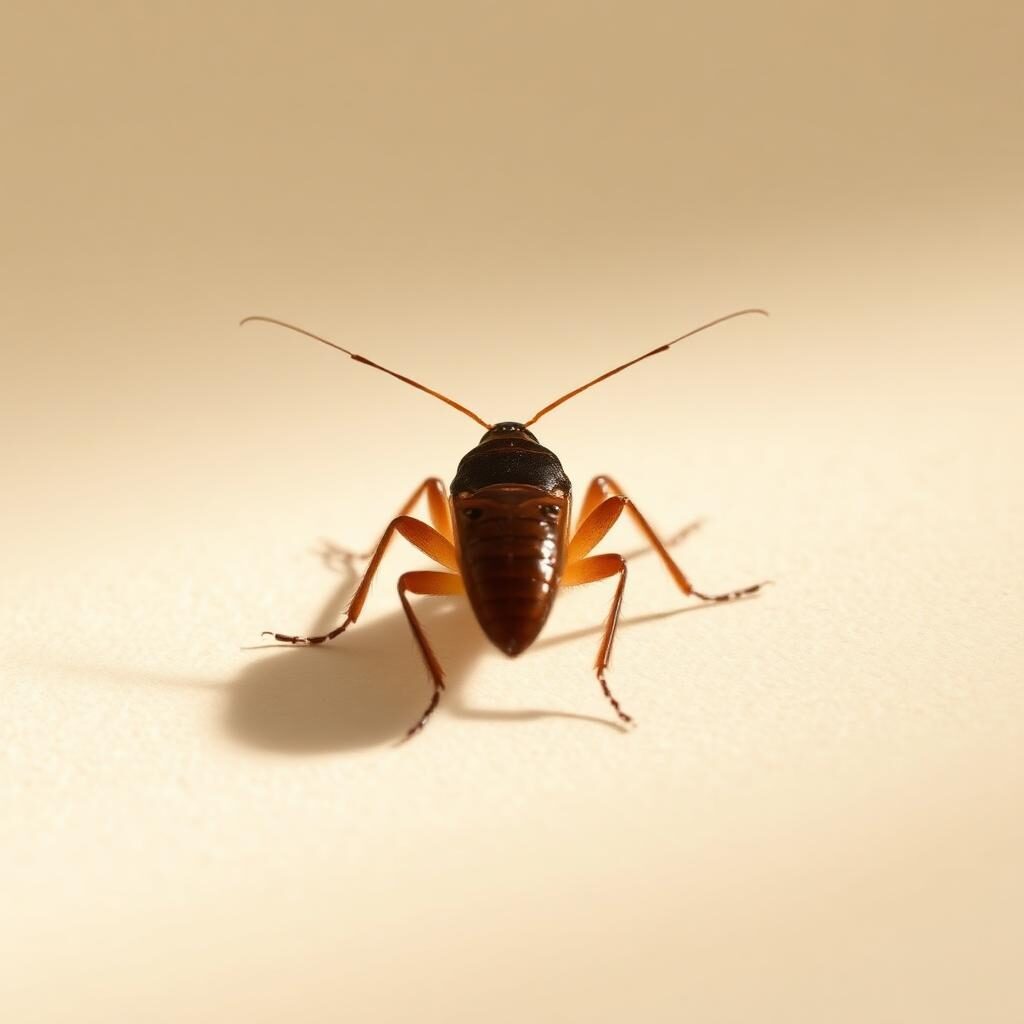
Is it actually
cockroaches?
Misidentification is the single biggest reason cockroaches treatments fail — the wrong species means the wrong product, and the problem comes back. Use the checks below before you call anyone, and photograph anything you're unsure about so the operator can confirm from your booking screen.
- 01Droppings the size of ground pepper near the cooker and fridge motor
- 02Egg cases (oothecae) 8mm, brown and ridged, in dark cupboards
- 03Sightings at night when the kitchen light is switched on
- 04A sweet, oily odour in cupboards under the sink
Signs of cockroaches.
Droppings the size of ground black pepper near the cooker, fridge motor and the gap above wall cupboards. Brown, ridged egg cases (oothecae) 8mm long in dark cupboards.
In heavy infestations, a faint papery rustling from inside cupboards or service risers when the kitchen is quiet.
A distinctive sweet, oily, greasy smell in cupboards under the sink and around drain stacks — this often pre-dates any sighting.
Smear marks on packaging, chewed paper labels and a film on cutlery left in drawers — German cockroaches contaminate far more than they consume.
Why cockroaches are here.
Cockroaches are opportunists. Behind and under kitchen appliances, inside motor housings, in service risers shared with neighbours, and around drain stacks. The trigger is almost always a combination of food access, warmth, and a quiet entry point — and seasonal pressure (year-round in heated buildings) tips the scales. Once a population establishes, it rarely retreats on its own; intervention shortens the cycle from months to days.
German cockroaches (Blattella germanica) double their population every 6–8 weeks indoors and travel building-wide via service risers.
How to get rid
of cockroaches.
Standard cockroaches treatment is gel baiting on a 2-visit cycle plus monitoring traps. Spray products scatter the population and make professional baiting harder. The break-even point against DIY usually arrives at the second piece of evidence — a single licensed visit at £180 typically beats three rounds of shop-bought product, and comes with a written guarantee.
£180–£450 cockroaches removal.
Typical UK pricing for cockroaches runs £180–£450. The main cost driver is shared walls and the number of follow-up bait rotations needed. London adds roughly 20–30% to these figures and rural postcodes trim 10–15%; the matched-operator screen quotes inclusive of survey, call-out and a 30–90 day guarantee.
Full cost breakdown →Stop cockroaches
coming back.
Proofing is what stops cockroaches returning after treatment. The checklist below is what licensed operators include in their post-treatment report; you can run most of it yourself, or have it done at the same visit.
- 01Seal every cable and pipe penetration into the kitchen
- 02Break down cardboard deliveries outside the building
- 03Fit drain caps on every floor gully
- 04Coordinate treatment with neighbours in the same block
Find a vetted
cockroaches specialist.
Common
questions.
- Q01What's the first sign of cockroaches in a UK home?
- A single cockroach scattering when the kitchen light goes on at night almost always means a much larger population in the wall void.
- Q02When are cockroaches most active during the day?
- Active 10pm–4am — daytime sightings mean overcrowding. In heavy infestations, a faint papery rustling from inside cupboards or service risers when the kitchen is quiet.
- Q03How do I know it's cockroaches and not something else?
- Cockroaches are most often mistaken for crickets or beetles. One sighting equals an infestation in 9 out of 10 UK cases — German cockroaches don't travel solo.
- Q04When does a cockroaches sighting become urgent?
- Any daytime sighting, or droppings inside a kitchen drawer — both mean numbers have outgrown the void.
- Q05Where do cockroaches usually nest or hide?
- Service risers and motor housings. Behind and under the fridge, inside dishwasher motor housings, and in shared service risers — which is why flats next door often have the same problem.
- Q06How can I prevent cockroaches coming back?
- After successful cockroaches treatment, the priority is proofing: seal riser penetrations, audit deliveries arriving in cardboard, and fit drain caps. Operators include a written prevention report so you (or a landlord) know exactly what was done.
- Q07When should I escalate a cockroaches sighting to a professional?
- As soon as you see a second piece of evidence — droppings plus damage, repeat sightings, or activity in two rooms. For cockroaches specifically, treat any indoor activity as urgent.
- Q08Is it dangerous to wait on cockroaches?
- Risk scales with population. Specific to cockroaches: asthma triggers and statutory nuisance escalation in shared blocks. Acting early is almost always cheaper, faster and less disruptive than letting the population establish.