Silverfish
in UK homes.
Silverfish are one of the more frequently reported pests in UK homes, particularly from spring through autumn. UK populations are well documented. A licensed operator will identify the species on site and tailor treatment accordingly. Most cases are resolved within 7–14 days once a licensed operator is on site.
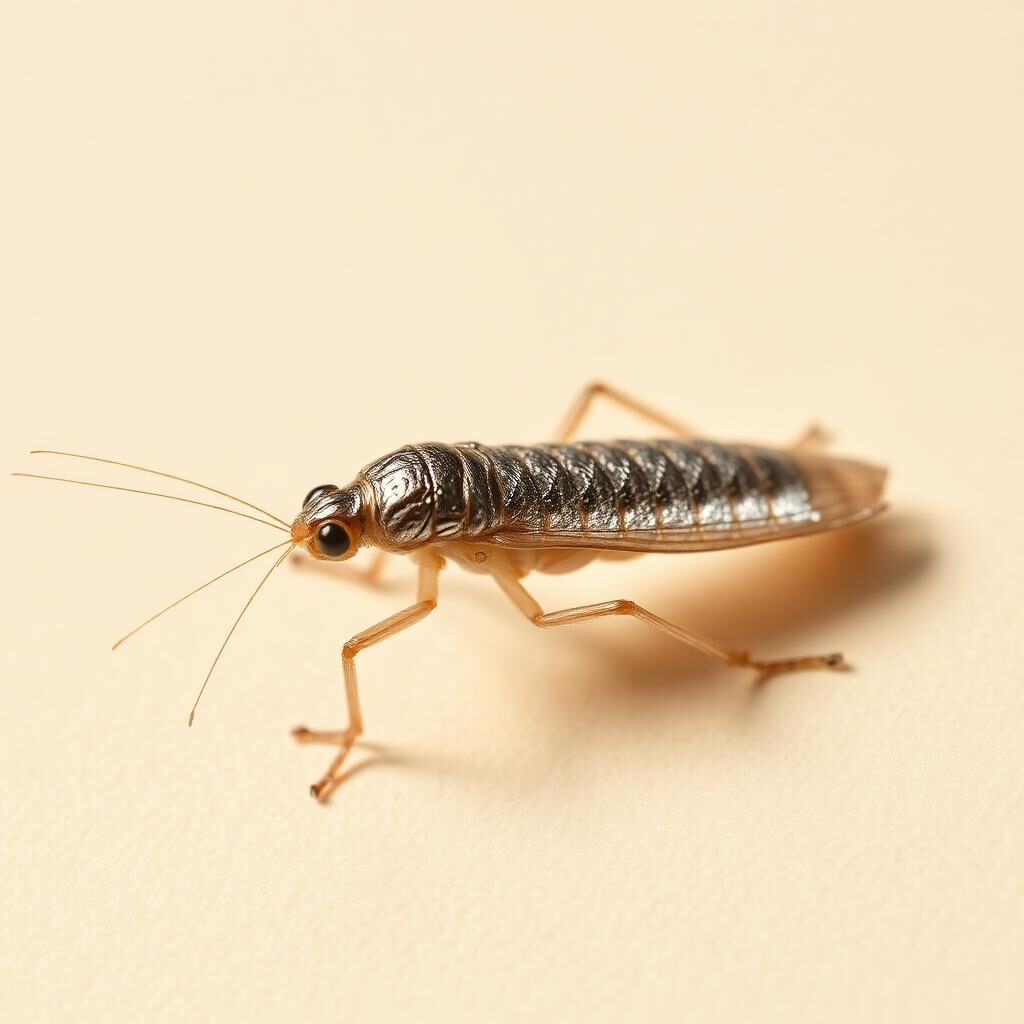
Is it actually
silverfish?
Misidentification is the single biggest reason silverfish treatments fail — the wrong species means the wrong product, and the problem comes back. Use the checks below before you call anyone, and photograph anything you're unsure about so the operator can confirm from your booking screen.
- 01Repeated sightings in the same room
- 02Droppings, smears or shed skins near food or warmth
- 03Damage to packaging, fabric or timber
- 04Activity at the same time each day
Signs of silverfish.
10–12mm, silver-grey, with three bristles at the tail and a fish-like wriggling movement. Most often seen in the bath, sink or behind books.
Silverfish make no audible noise.
Any smell associated with silverfish is the damp environment they thrive in.
Tiny ragged feeding marks on wallpaper, book bindings, photographs and starched fabrics. Yellow staining on stored linen.
Why silverfish are here.
Silverfish are opportunists. Warm, undisturbed voids with food access — kitchens, lofts, sub-floors and outbuildings. The trigger is almost always a combination of food access, warmth, and a quiet entry point — and seasonal pressure (spring through autumn) tips the scales. Once a population establishes, it rarely retreats on its own; intervention shortens the cycle from months to days.
UK populations are well documented. A licensed operator will identify the species on site and tailor treatment accordingly.
How to get rid
of silverfish.
Standard silverfish treatment is a survey followed by targeted treatment and a follow-up visit. DIY can suppress activity briefly but rarely clears an established population. The break-even point against DIY usually arrives at the second piece of evidence — a single licensed visit at £60 typically beats three rounds of shop-bought product, and comes with a written guarantee.
£60–£150 silverfish removal.
Typical UK pricing for silverfish runs £60–£150. The main cost driver is the severity at first survey. London adds roughly 20–30% to these figures and rural postcodes trim 10–15%; the matched-operator screen quotes inclusive of survey, call-out and a 30–90 day guarantee.
Full cost breakdown →Stop silverfish
coming back.
Proofing is what stops silverfish returning after treatment. The checklist below is what licensed operators include in their post-treatment report; you can run most of it yourself, or have it done at the same visit.
- 01Seal entry points larger than 6mm
- 02Remove standing food and water
- 03Schedule an annual proofing inspection
- 04Document any recurrence with photos and dates
Find a vetted
silverfish specialist.
Common
questions.
- Q01What's the first sign of silverfish in a UK home?
- Spotting a silver, fast-moving teardrop-shaped insect in the bath at night is the everyday opener — and a sign of damp as much as a sign of silverfish.
- Q02When are silverfish most active during the day?
- Active midnight–4am. Silverfish make no audible noise.
- Q03How do I know it's silverfish and not something else?
- Silverfish are most often mistaken for firebrats or earwigs. Silverfish almost always indicate humidity above 75% — fix the damp first and numbers usually crash.
- Q04When does a silverfish sighting become urgent?
- Visible black mould nearby — silverfish are a leading indicator that a damp survey is needed.
- Q05Where do silverfish usually nest or hide?
- Behind tiles, baths and bookshelves. Anywhere humid and dark — behind the bath panel, under tiles, in the void behind a kitchen sink, and in the cool damp space behind a bookcase against an external wall.
- Q06How can I prevent silverfish coming back?
- After successful silverfish treatment, the priority is proofing: remove food access, seal entry points, and review every 12 months. Operators include a written prevention report so you (or a landlord) know exactly what was done.
- Q07When should I escalate a silverfish sighting to a professional?
- As soon as you see a second piece of evidence — droppings plus damage, repeat sightings, or activity in two rooms. For silverfish, two converging signs is the usual trigger.
- Q08Are silverfish treatments safe around children and pets?
- Yes. UK-licensed operators use products approved for domestic use and will brief you on short re-entry windows. Silverfish protocols are designed around occupied homes, not empty buildings.