Fleas
in UK homes.
Fleas are one of the more frequently reported pests in UK homes, particularly from warmer months and early autumn. Cat fleas (Ctenocephalides felis) cause 95% of UK indoor flea problems. Pupae can lie dormant in carpet for months until vibration triggers emergence. Most cases are resolved within 7–14 days once a licensed operator is on site.
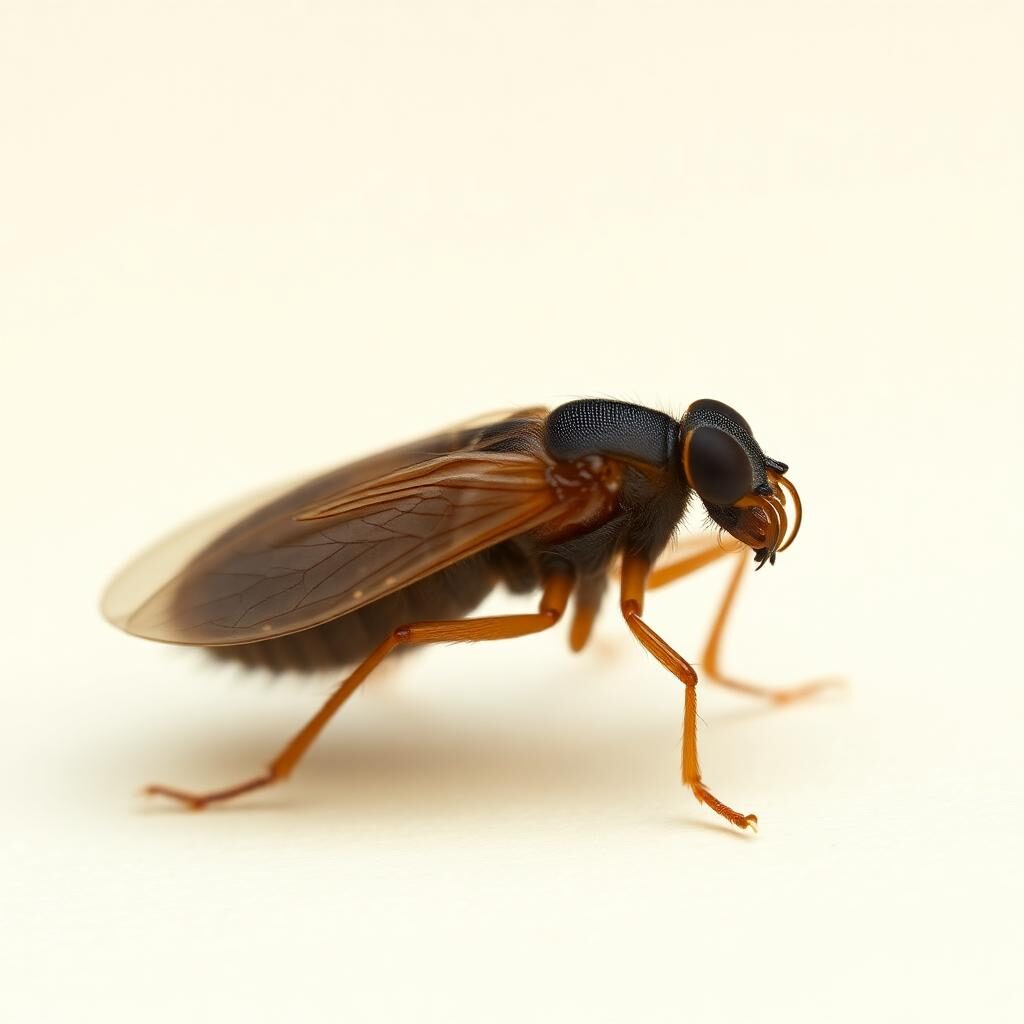
Is it actually
fleas?
Misidentification is the single biggest reason fleas treatments fail — the wrong species means the wrong product, and the problem comes back. Use the checks below before you call anyone, and photograph anything you're unsure about so the operator can confirm from your booking screen.
- 01Itchy bites in groups of three on ankles and lower legs
- 02Dark specks (flea dirt) in pet bedding that turn red when wetted
- 03Adult fleas visible on a white sock walked across the carpet
- 04Pet scratching disproportionately in late afternoon
Signs of fleas.
Adult fleas 2–3mm, dark brown, that jump rather than crawl. 'Flea dirt' — dark specks in pet bedding that turn rust-red when wetted on white kitchen roll.
Fleas are inaudible. Anyone saying they can hear them is describing carpet beetle larvae or a different pest entirely.
A musty smell in pet bedding is the bedding, not the fleas — though it does tell you to wash it.
Linear bite clusters on ankles and lower legs — fleas can't jump higher than about 15cm. Hair loss on a pet's lower back, near the tail base, is the classic flea pattern.
Why fleas are here.
Fleas are opportunists. Carpets within 2m of pet bedding, soft furnishings, the gap under skirting, and any rug that has not been lifted in months. The trigger is almost always a combination of food access, warmth, and a quiet entry point — and seasonal pressure (warmer months and early autumn) tips the scales. Once a population establishes, it rarely retreats on its own; intervention shortens the cycle from months to days.
Cat fleas (Ctenocephalides felis) cause 95% of UK indoor flea problems. Pupae can lie dormant in carpet for months until vibration triggers emergence.
How to get rid
of fleas.
Standard fleas treatment is single insecticidal spray to soft floors with a strict 2-week vacuum protocol. DIY foggers rarely cover all surfaces dormant pupae hide in. The break-even point against DIY usually arrives at the second piece of evidence — a single licensed visit at £90 typically beats three rounds of shop-bought product, and comes with a written guarantee.
£90–£200 fleas removal.
Typical UK pricing for fleas runs £90–£200. The main cost driver is floor area treated and whether a follow-up visit is bundled. London adds roughly 20–30% to these figures and rural postcodes trim 10–15%; the matched-operator screen quotes inclusive of survey, call-out and a 30–90 day guarantee.
Full cost breakdown →Stop fleas
coming back.
Proofing is what stops fleas returning after treatment. The checklist below is what licensed operators include in their post-treatment report; you can run most of it yourself, or have it done at the same visit.
- 01Treat every cat or dog in the home on the same monthly schedule
- 02Vacuum carpets, edges and pet bedding twice a week for 4 weeks
- 03Wash pet bedding above 60°C weekly during summer
- 04Lift rugs and treat the floor beneath, not just the rug surface
Find a vetted
fleas specialist.
Common
questions.
- Q01What's the first sign of fleas in a UK home?
- Itchy bites in groups of three on ankles, plus a pet that won't stop scratching, is the classic UK opening.
- Q02When are fleas most active during the day?
- All day — emergence triggered by movement, not time. Fleas are inaudible. Anyone saying they can hear them is describing carpet beetle larvae or a different pest entirely.
- Q03How do I know it's fleas and not something else?
- Fleas are most often mistaken for bed bugs or mosquitoes. Walk a white sock across the carpet for 30 seconds — if you pick up a single jumping flea, treatment is needed.
- Q04When does a fleas sighting become urgent?
- A baby or small child in the home, or pets scratching to the point of bleeding.
- Q05Where do fleas usually nest or hide?
- Pupae dormant in carpets. There is no 'nest' as such — pupae lie dormant in carpet fibres for months, triggered to hatch by vibration. This is why returning from holiday is often when problems peak.
- Q06When should I escalate a fleas sighting to a professional?
- As soon as you see a second piece of evidence — droppings plus damage, repeat sightings, or activity in two rooms. For fleas, two converging signs is the usual trigger.
- Q07When are fleas most active in the UK?
- Fleas pressure peaks warmer months and early autumn. We see booking volumes track this seasonality closely — early-season jobs are cheaper because populations are smaller.
- Q08How quickly can fleas be removed?
- Most fleas treatments resolve activity within 7–14 days. Bookings are typically attended inside 24–48 hours.