Cluster flies
in UK homes.
Cluster flies are one of the more frequently reported pests in UK homes, particularly from May to September, with a late-autumn cluster-fly peak. House flies (Musca domestica) lay 500 eggs in batches and reach adulthood in 7–10 days in summer. The adults you see are 10% of the active population. Most cases are resolved within 7–14 days once a licensed operator is on site.
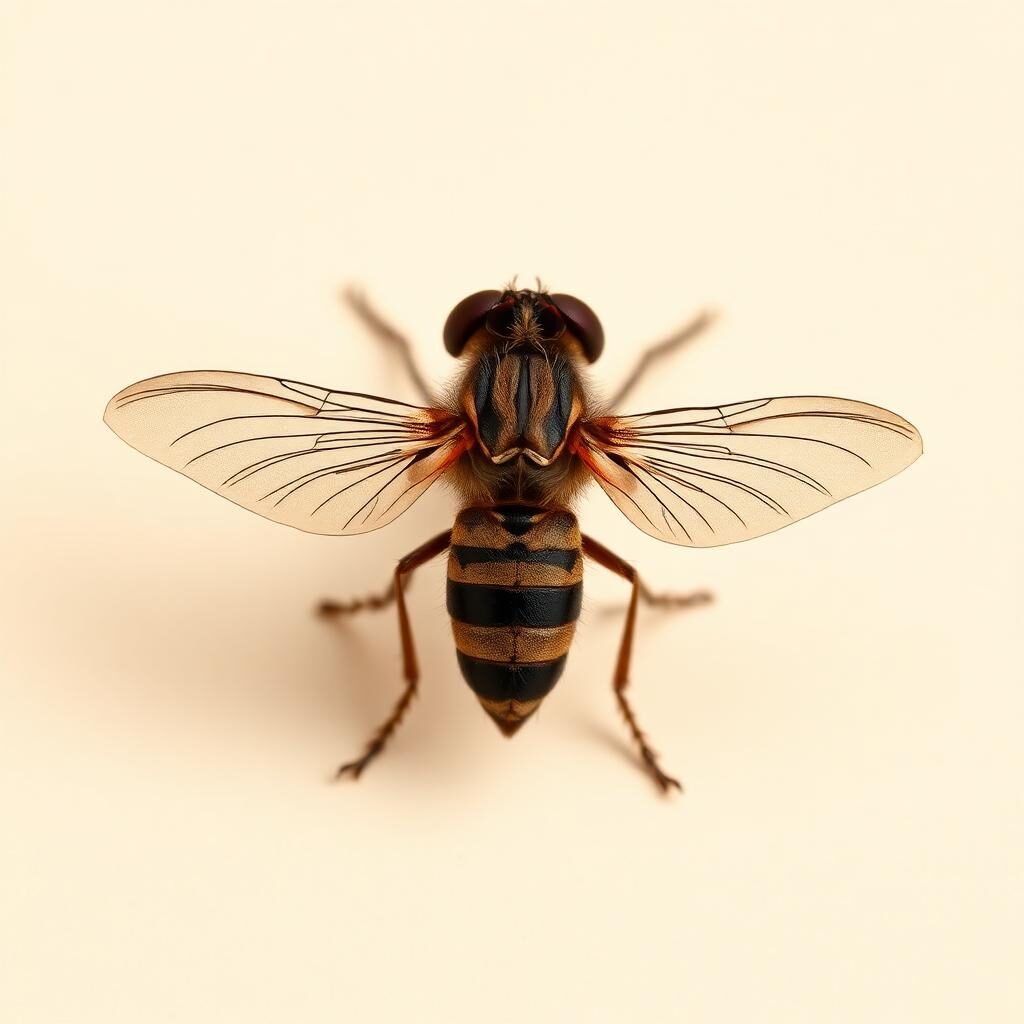
Is it actually
cluster flies?
Misidentification is the single biggest reason cluster flies treatments fail — the wrong species means the wrong product, and the problem comes back. Use the checks below before you call anyone, and photograph anything you're unsure about so the operator can confirm from your booking screen.
- 01Sudden bloom of adult flies indoors — usually a hidden breeding source
- 02Spotting on windows and light fittings
- 03Cluster flies: dozens of slow flies on south-facing windows in autumn
- 04Fruit flies: tiny tan flies hovering above compost or fruit bowl
Signs of cluster flies.
Spotting on windows and light fittings (digestive marks). Cluster flies on south-facing windows on warm autumn days; house flies around bins and kitchens; fruit flies above the compost caddy.
The deep buzzing of a single bluebottle inside the home in winter usually means a dead animal in a void. Cluster flies are near-silent.
Bluebottle activity usually means a dead bird, mouse or rat nearby. Drain flies mean organic build-up in a sink trap or floor gully.
Flies regurgitate to feed — every landing on food or work surface is a contamination event, which is why food businesses cannot tolerate even small numbers.
Why cluster flies are here.
Cluster flies are opportunists. Bin stores, drain stacks, the void around extract fans in commercial kitchens, and lofts (cluster flies) in autumn. The trigger is almost always a combination of food access, warmth, and a quiet entry point — and seasonal pressure (May to September, with a late-autumn cluster-fly peak) tips the scales. Once a population establishes, it rarely retreats on its own; intervention shortens the cycle from months to days.
House flies (Musca domestica) lay 500 eggs in batches and reach adulthood in 7–10 days in summer. The adults you see are 10% of the active population.
How to get rid
of cluster flies.
Standard cluster flies treatment is source elimination plus an electric fly killer (EFK) for monitored areas. Shop-bought sprays clear adults but never the breeding source. The break-even point against DIY usually arrives at the second piece of evidence — a single licensed visit at £70 typically beats three rounds of shop-bought product, and comes with a written guarantee.
£70–£180 cluster flies removal.
Typical UK pricing for cluster flies runs £70–£180. The main cost driver is whether a breeding source can be eliminated or only suppressed. London adds roughly 20–30% to these figures and rural postcodes trim 10–15%; the matched-operator screen quotes inclusive of survey, call-out and a 30–90 day guarantee.
Full cost breakdown →Stop cluster flies
coming back.
Proofing is what stops cluster flies returning after treatment. The checklist below is what licensed operators include in their post-treatment report; you can run most of it yourself, or have it done at the same visit.
- 01Fly-screen any openable window in kitchen or food-prep areas
- 02Move bins 5m from any opening and clean weekly
- 03Schedule drain dosing every 8 weeks in commercial kitchens
- 04Empty compost caddies daily through summer
Find a vetted
cluster flies specialist.
Common
questions.
- Q01What's the first sign of cluster flies in a UK home?
- A sudden bloom of adult flies indoors — more than 4–5 a day for several days — almost always means a hidden breeding source within the building.
- Q02When are cluster flies most active during the day?
- House flies 8am–7pm; cluster flies sunny afternoons. The deep buzzing of a single bluebottle inside the home in winter usually means a dead animal in a void. Cluster flies are near-silent.
- Q03How do I know it's cluster flies and not something else?
- Cluster flies are most often mistaken for gnats or fungus gnats. Identify the species first: cluster flies (autumn, slow, south-facing windows), house flies (kitchen, fast) and fruit flies (compost, tiny) each need a different fix.
- Q04When does a cluster flies sighting become urgent?
- Cluster of bluebottles in one room with no obvious source — usually a dead animal in a wall or chimney.
- Q05Where do cluster flies usually nest or hide?
- Bins, drains and lofts. Bin stores, drain stacks, the void around extract fans in commercial kitchens, and lofts (cluster flies) in autumn.
- Q06Do cluster flies treatments come with a guarantee?
- Standard cluster flies jobs carry a 30-day guarantee; established cases usually 60–90 days. Any return visit inside the window is at no extra cost.
- Q07What evidence do operators need to quote accurately for cluster flies?
- Photographs of droppings, damage and any sightings, plus a sentence about when activity started and where. Three-quarters of cluster flies jobs are quoted accurately from a postcode and two photos.
- Q08How can I prevent cluster flies coming back?
- After successful cluster flies treatment, the priority is proofing: fly-screen openable windows, manage external bins and audit drains. Operators include a written prevention report so you (or a landlord) know exactly what was done.