Pigeons
in UK homes.
Pigeons are one of the more frequently reported pests in UK homes, particularly year-round. Feral pigeons (Columba livia) are creatures of habit — once a roost is established, the flock returns year after year unless every perch is removed. Most cases are resolved within 7–14 days once a licensed operator is on site.
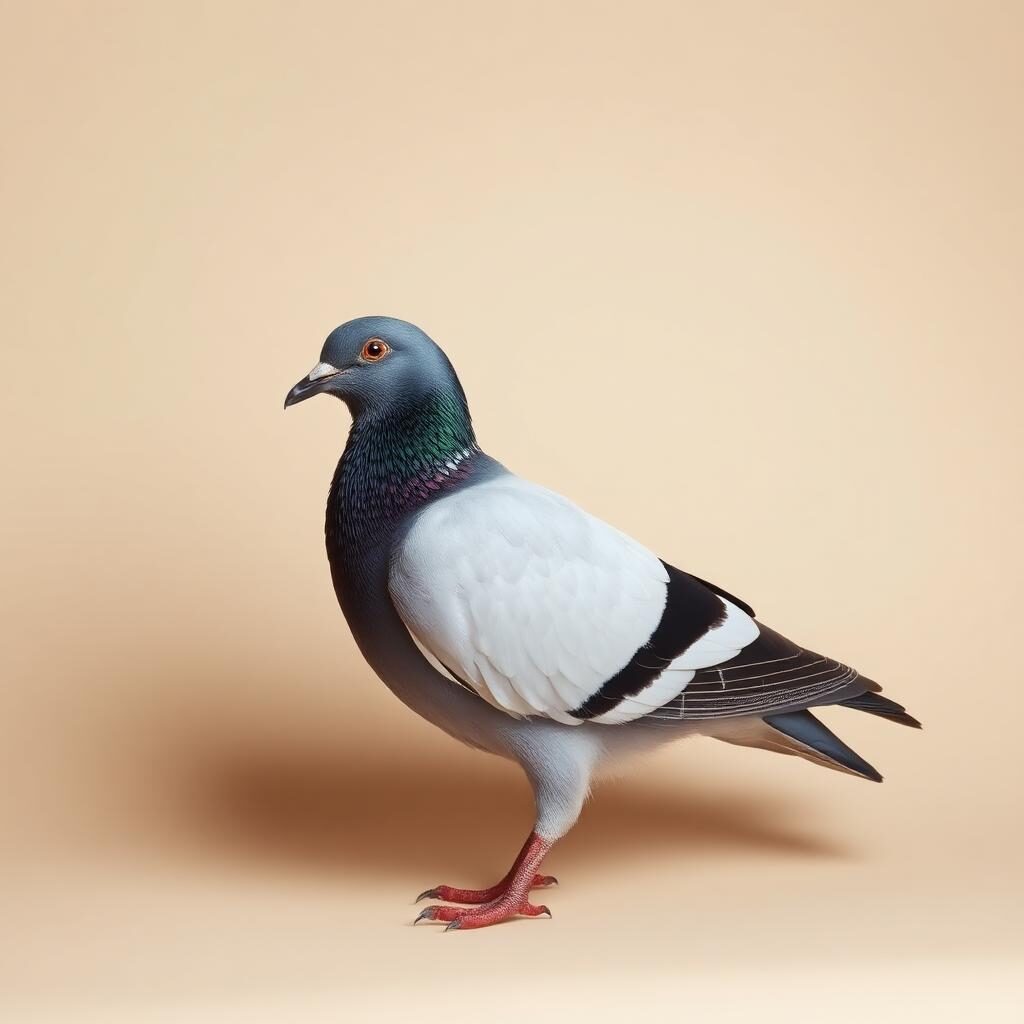
Is it actually
pigeons?
Misidentification is the single biggest reason pigeons treatments fail — the wrong species means the wrong product, and the problem comes back. Use the checks below before you call anyone, and photograph anything you're unsure about so the operator can confirm from your booking screen.
- 01Guano accumulation on ledges and pavements below
- 02Feathers and nesting debris in roof valleys and gutters
- 03Cooing from the same point morning and evening
- 04Blocked gutters and downpipes — almost always nests, not leaves
Signs of pigeons.
White-and-grey guano on ledges, parapets and pavements below. Pigeons returning to the same ledge at the same times each day.
Persistent cooing from the same point at dawn and dusk. Wing-clap as a flock leaves a roof — a distinctive percussive sound.
Concentrated guano produces a sharp ammonia smell, particularly in enclosed loft voids or behind signage. Decomposing chicks add to this in spring.
Blocked gutters and downpipes — almost always nest material, not leaves. Pitted lead flashing and stained stonework from acidic guano.
Why pigeons are here.
Pigeons are opportunists. Flat ledges, parapet copings, behind solar panels, in the void above shop signage, and on any pitched roof junction. The trigger is almost always a combination of food access, warmth, and a quiet entry point — and seasonal pressure (year-round; breeding peaks March to October) tips the scales. Once a population establishes, it rarely retreats on its own; intervention shortens the cycle from months to days.
Feral pigeons (Columba livia) are creatures of habit — once a roost is established, the flock returns year after year unless every perch is removed.
How to get rid
of pigeons.
Standard pigeons treatment is proofing with stainless spikes, post-and-wire, or netting plus guano clearance. DIY plastic spikes fail within a season and rarely deter a settled flock. The break-even point against DIY usually arrives at the second piece of evidence — a single licensed visit at £200 typically beats three rounds of shop-bought product, and comes with a written guarantee.
£200–£800 pigeons removal.
Typical UK pricing for pigeons runs £200–£800. The main cost driver is elevation height, access equipment and the area of proofing required. London adds roughly 20–30% to these figures and rural postcodes trim 10–15%; the matched-operator screen quotes inclusive of survey, call-out and a 30–90 day guarantee.
Full cost breakdown →Stop pigeons
coming back.
Proofing is what stops pigeons returning after treatment. The checklist below is what licensed operators include in their post-treatment report; you can run most of it yourself, or have it done at the same visit.
- 01Spike or wire every ledge above 2m on the elevation
- 02Net the underside of solar panels at installation
- 03Cap every chimney pot and disused flue
- 04Schedule a roof and gutter inspection every spring
Find a vetted
pigeons specialist.
Common
questions.
- Q01What's the first sign of pigeons in a UK home?
- Guano accumulating on a ledge or pavement, plus repeated cooing from the same point morning and evening, is the everyday opener.
- Q02When are pigeons most active during the day?
- Active dawn–dusk; roosting overnight. Persistent cooing from the same point at dawn and dusk. Wing-clap as a flock leaves a roof — a distinctive percussive sound.
- Q03How do I know it's pigeons and not something else?
- Pigeons are most often mistaken for seagulls or doves. Once a roost is visibly used (guano, feathers, twigs) the flock will return year after year unless every perch is proofed.
- Q04When does a pigeons sighting become urgent?
- Guano on a customer-facing pavement, or a roost on a flat above a food business — both create statutory nuisance and health-and-safety obligations.
- Q05Where do pigeons usually nest or hide?
- Flat ledges and hidden voids. Flat ledges above 2m, parapet copings, the void above shop signage, behind solar panels and on any pitched-roof junction with a flat landing.
- Q06Will my home insurance cover pigeons removal?
- Some policies cover specific pest categories — wasps and rats more often than mice or insects. Check your schedule first; the matched-operator screen tells you which insurers commonly accept their reports.
- Q07When should I escalate a pigeons sighting to a professional?
- As soon as you see a second piece of evidence — droppings plus damage, repeat sightings, or activity in two rooms. For pigeons, two converging signs is the usual trigger.
- Q08What does pigeons treatment cost?
- Typical UK pricing for pigeons runs £200–£800, depending on severity, access and follow-up cycle. Vetted operators on the network quote inclusive of survey and call-out.