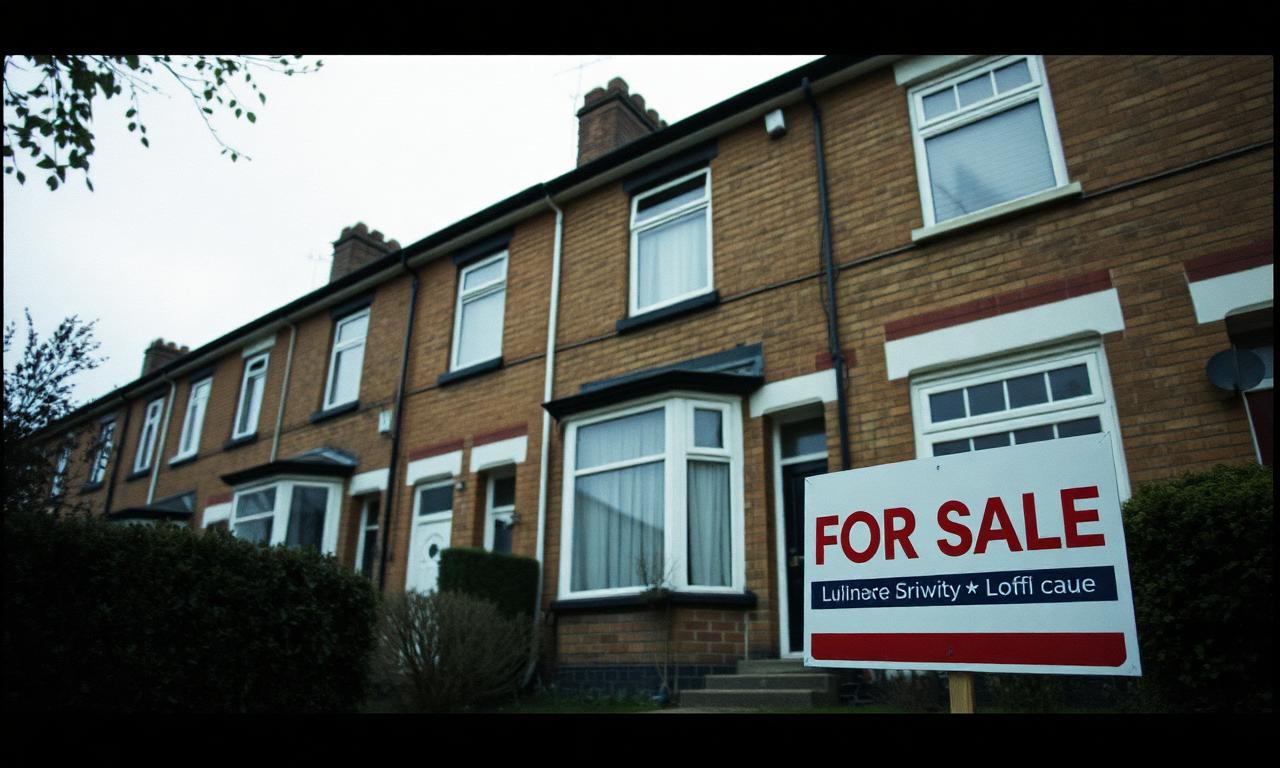
When you sell a residential property in England or Wales, your conveyancer will ask you to complete a TA6 Property Information Form. Section 8 (Environmental) and Section 7 (Specialist guarantees) both touch pest history, and a homeowner who knowingly conceals an infestation exposes themselves to a misrepresentation claim long after completion.
What the TA6 actually asks
- Any infestations in the past five years (any species).
- Specialist treatments and guarantees — damp-proof, woodworm, dry rot.
- Ongoing pest contracts or monitoring agreements.
- Insurance claims relating to pest damage.
When 'caveat emptor' stops protecting you
The old common-law rule of buyer-beware survives in narrow form, but it is overridden by three modern protections: misrepresentation under the Misrepresentation Act 1967, false statement under the Consumer Protection from Unfair Trading Regulations 2008, and breach of TA6 warranty under contract law. Each gives the buyer a separate route to sue after completion.
Treatments that help the sale
- 01Get a written treatment certificate from a BPCA or NPTA operator before listing.
- 02Ask for a guarantee that's transferable to the new owner — most are.
- 03Disclose the historic infestation AND the cleared status; buyers reward honesty in negotiation more than they punish disclosure.
- 04Keep proof-of-treatment paperwork with your conveyancing pack.
Woodworm and structural pests
Mortgage lenders routinely retain a portion of the loan against active woodworm or wood-boring beetle damage until treated. A 20-year guarantee from a Property Care Association member usually satisfies the lender. Untreated active woodworm can derail a sale entirely.