Pest control
in Reading.
Independent, vetted pest control coverage across Reading (RG). Tell us what you've seen and we route your enquiry directly to qualified operators in South East — no comparison-site middlemen.
What’s in your Reading home?

Hard to spot, harder to remove without help. One of the most stubborn pests in UK homes.

A serious health risk and stubbornly hard to clear without proper treatment.

One of the UK's most damaging pests. Quick to multiply, quicker to chew through cables.

Smaller than rats, just as quick. The signs are easy to miss until there are many of them.

Often confused with rats. Daytime scratching in the loft is the giveaway.

A single nest can hold thousands. Removal is fast, DIY rarely is.

Slow-moving but expensive when ignored. A survey usually comes first.

Often arrive on pets and stay in carpets. Treatment is quick if done early.

The damage is in the wardrobe, not the air. A specialist clearance is usually needed.
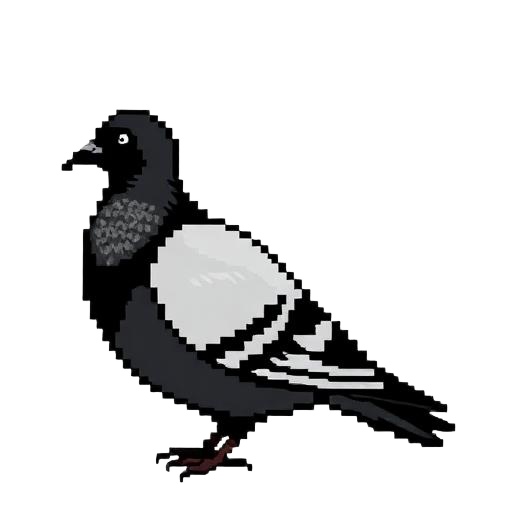
Mess, noise, and damage. Proofing is the long-term answer.

Mostly harmless, sometimes relentless. Treatment depends on the species.

Honeybees and bumblebees are protected — call a beekeeper, not a pest controller. Masonry and tree bees in walls or roofs may need professional advice but rarely destruction.
Across Reading, bed bugs, cockroaches, rats account for the majority of bookings. Rats peak from October as outdoor food collapses; wasp nests are an early-summer rush; bedbugs and cockroaches are year-round in shared housing.
Vetting more operators in Reading.
Why pest pressure varies here.
Reading is a city in South East, and pest pressure here is shaped by two things: building stock and street pattern. We see the most call-outs from ex-council maisonettes with communal bin stores and post-war semis with original sub-floor voids, with seasonal spikes traced to active demolition and basement-dig sites and active demolition and basement-dig sites. On top of that, milder southern winters extend the breeding window by several weeks. Bed bugs, cockroaches, rats dominate the casework.
Quotes in Reading run slightly above the UK average — driven by access, parking and travel time across South East.
- RegionSouth East
- Operators0
- Pests covered16
- Cost modifier1.15×
Reading — common questions.
- Which pests are most common in Reading?
- Across Reading, bed bugs, cockroaches, rats account for the majority of bookings. Rats peak from October as outdoor food collapses; wasp nests are an early-summer rush; bedbugs and cockroaches are year-round in shared housing.
- What does pest control typically cost in Reading?
- Quotes in Reading run slightly above the UK average — driven by access, parking and travel time across South East. You'll see fixed-quote pricing on the matched-operator screen with no surprise call-out fees.
- Will I be charged just for a survey in Reading?
- No. Surveys are quoted up-front and there is no obligation to proceed. If you decline after the survey there is nothing to pay.
- What guarantees come with treatment in Reading?
- Standard Reading jobs carry a 30-day guarantee; established colonies usually 60–90 days. Any return visits inside the window are at no extra cost.
- Do Reading pest controllers handle commercial premises too?
- Yes. Most operators on the Reading network cover lettings, hospitality and small commercial as well as domestic, and will issue the paperwork environmental health expect.
Check if Reading’s council still treats pests free.
Many UK councils have dropped free service, but a handful still cover rats, mice or wasps. Our lookup shows what your local authority charges and how long the wait is.